🇮🇷Country
Iran: Persepolis waterworks, Yazd wind towers and Lake Urmia
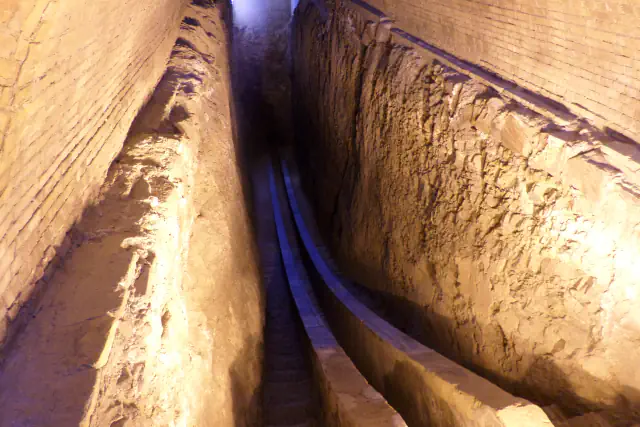
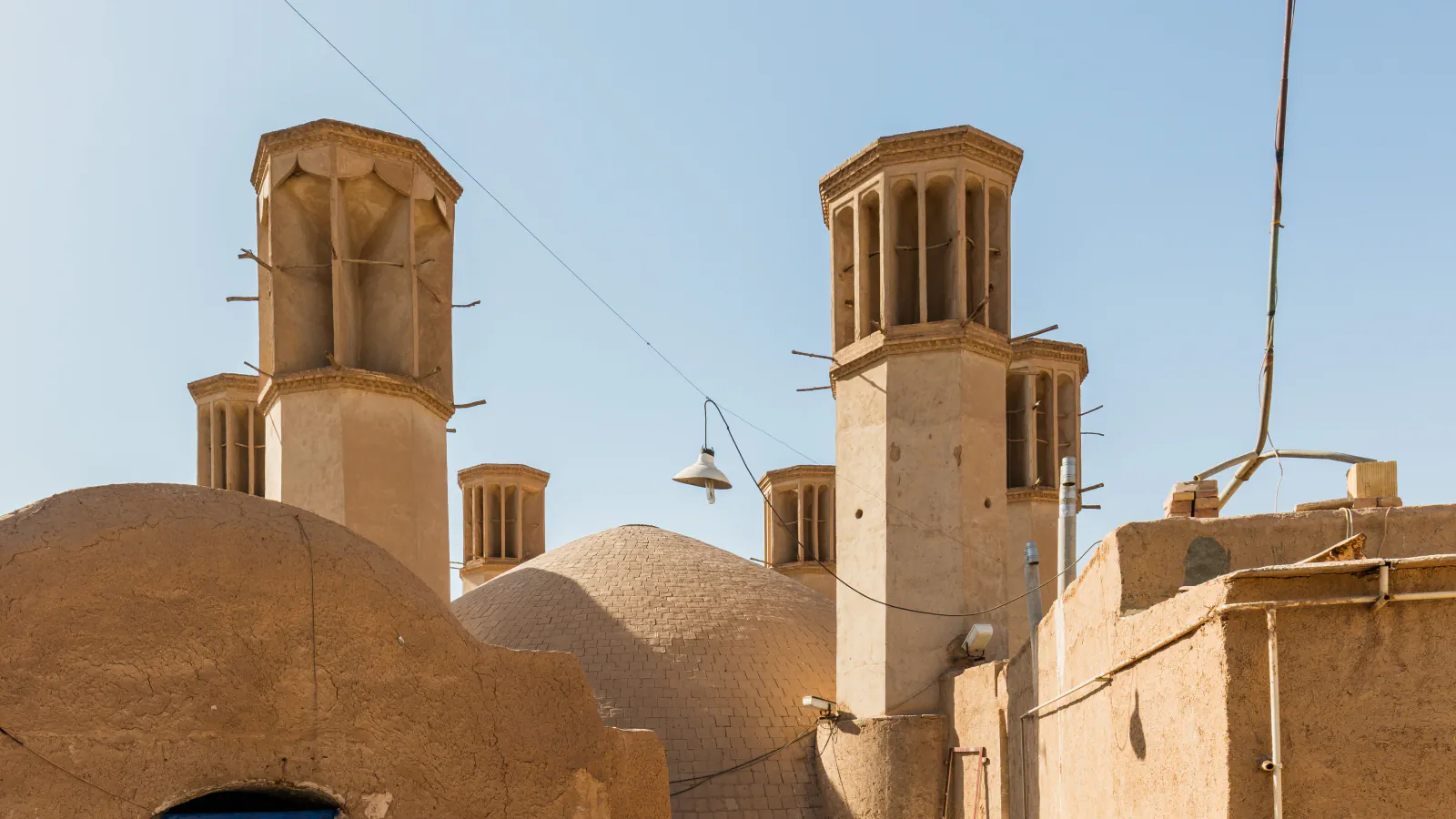
Iranica describes channels cut into the rock at Persepolis and a well linked to a moat. In Yazd, qanats supply the city and wind towers ventilate summer rooms. Studies of Lake Urmia measure different changes in inflow, surface area and depth.
At a glance
A place worth remembering
Persepolis: drainage and workers’ records
Iranica places the start of construction around 518 BCE, when Darius I chose a promontory for a 125,000 m² platform. Rainwater channels carved into the rock led toward a moat. A 26 m well connected to it may also have held water for summer; parts of the drainage network still work as intended. A separate entry dates the Treasury tablets to 492–458 BCE and uses them to trace supplies and silver for the royal workforce, chiefly people in Persepolis and its suburbs, including named groups from Cappadocia, Lydia and Babylonia.[1][2]
Yazd: qanats and wind towers
UNESCO describes Yazd’s older districts as organized around qanats, each with a communal centre. Earthen buildings and courtyards below street level are part of the same desert adaptation. Iranica describes two ways wind towers move air: a breeze can send roof-level air into summer rooms, while with little or no breeze sunlight on the tower masonry can generate an upward draft that brings cooler, moisture-rich air from courtyard and below-ground spaces into summer living areas. Towers above cisterns can also help cool stored water through evaporation.[3][4][5]
Lake Urmia: different measures of change
The cited studies measure different parts of the lake’s decline. Shadkam and co-authors’ model estimates a 48% fall in annual inflow from 1960 to 2010; it attributes about three fifths to climate change and two fifths to water-resources development, and finds irrigation reduced flows by up to 40% in dry years. The 2015 AghaKouchak commentary’s abstract instead reports about an 88% decline in satellite-detected lake area, far more than earlier estimates of 25–50%, and argues that prolonged drought alone does not explain the continuing shoreline retreat. NASA reported a 62 cm increase in depth after rains in late 2018 and spring 2019, compared with spring 2018.[6][7][8]
Good to know
A few clear answers before you explore.
What do Persepolis’ inscriptions and tablets say about its workforce?
The two sources offer different kinds of evidence. Iranica reports that in the Babylonian version of Darius’s inscriptions at the site’s entrance, he states that craftsmen from several peoples under his rule carried out the work. The Treasury archive, dated 492–458 BCE, records food and silver allocations chiefly for royal workers in and around Persepolis; its named groups include Cappadocians and Babylonians. Those labels do not identify the buildings where any group worked.[1][2]
How can a wind tower cool a house?
A tower changes the movement of air through a house. With a breeze, the roof openings feed the rooms; in calm weather, heat from the tower walls can drive an upward current that draws cooler air from lower parts of the house. Iranica says that moving air cools occupants through convection and evaporation. Some wind catchers also stand over cisterns and help chill the water.[5]
Why do Urmia studies report different percentages?
The percentages describe different measurements. Shadkam and co-authors’ 1960–2010 model estimates a 48% drop in annual inflow and attributes about three fifths of that change to climate and two fifths to water-resources development. The 2015 AghaKouchak commentary’s abstract reports an approximately 88% loss of lake area from satellite observations, far above the earlier estimates of about 25–50%, and argues that prolonged drought alone does not explain the shoreline retreat. Inflow and surface area are different measures; 88% is not a percentage assigning causes.[6][7]
The WorldStamped community
Every visit becomes part of a story.
- Members with public visits
- 0
- Places with public visits or memories
- 0
- Public memories
- 0
No public visits have been counted here yet. Add this destination to your own map and choose what you want to share.
Members are counted once. Counts include only eligible public activity from profiles that allow search discovery. Private and followers-only content is excluded.