🇦🇴Country
Angola: Mbanza Kongo’s archaeological finds, sable hybrids at Cangandala, and the name Welwitschia
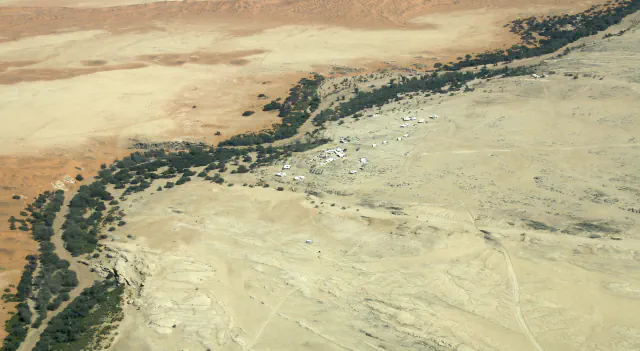
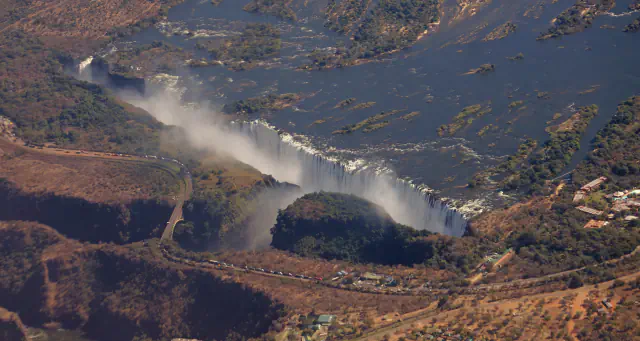
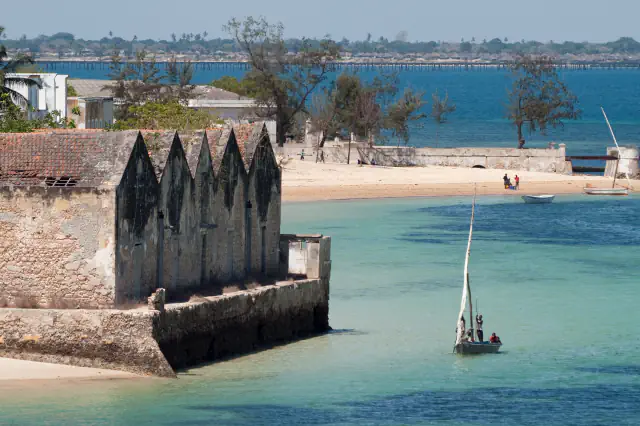
From Mbanza Kongo in the north-west to Cangandala in the north-central region and the Namibe coast, in the northern extension of the Namib Desert, these places lie in different parts of Angola.
At a glance
A place worth remembering
Mbanza Kongo, Zaire Province: what a refuse ditch records
Mbanza Kongo occupies a plateau 570 m above sea level in Angola’s north-western Zaire Province. Its eastern and southern sides drop steeply toward the Lueji River. ICOMOS reports that a dozen natural springs around the peninsula supplied the historic town; two were within the area proposed for World Heritage inscription. Excavated places preserve different traces of exchange. At Madungu, archaeologists found Portuguese pottery, utensils and organic remains dated to the 15th–17th centuries in a refuse trench beside homes; ICOMOS says these help reconstruct the Kingdom of Kongo’s exchanges with Europe. Finds from Lumbu, the site of the former royal palace, include objects from Venice, Holland and Bohemia, which ICOMOS links to oral accounts of a prestigious royal quarter. ICOMOS considers Tadi dya Bukikwa—a Kikongo name rendered “inverted stone” or “that which has not yet revealed its contents”—a likely site of the Jesuit college described by Mattheus Cardoso in 1624; the identification remains probable. UNESCO inscribed Mbanza Kongo in 2017.[1][2]
Cangandala National Park: giant sable–roan hybridization
A 2016 study describes Cangandala as about 63,000 ha of rolling terrain above 1,000 m, with dense Brachystegia woodland interspersed with grassland. At the time, the known range of the giant sable antelope included the central Angolan protected areas of Cangandala and Luando. The 2005 rediscovery at Cangandala followed more than a decade of fears that the subspecies had become extinct. Camera monitoring ran from January 2005 through August 2011. With local rangers, researchers selected 18 termite mounds as possible giant-sable salt licks, guided by tracks and reported sightings. They never saw a mature sable bull native to Cangandala; a solitary roan male was often nearby. The authors estimated hybrid births from 2002 through 2010, and recorded as many putative hybrids as sables in 2009. During a 2009–2011 intervention, managers enclosed surviving hybrids and sable females, then brought a group from Luando to Cangandala: six adult females and three sable males. The authors describe the local situation as technically extinct: a group of nine older, non-hybrid females and several hybrids remained, with little prospect of natural recruitment of a sable male. Three sable calves were born in 2010–2011.[3]
Namibe coast: how Welwitschia got its scientific name
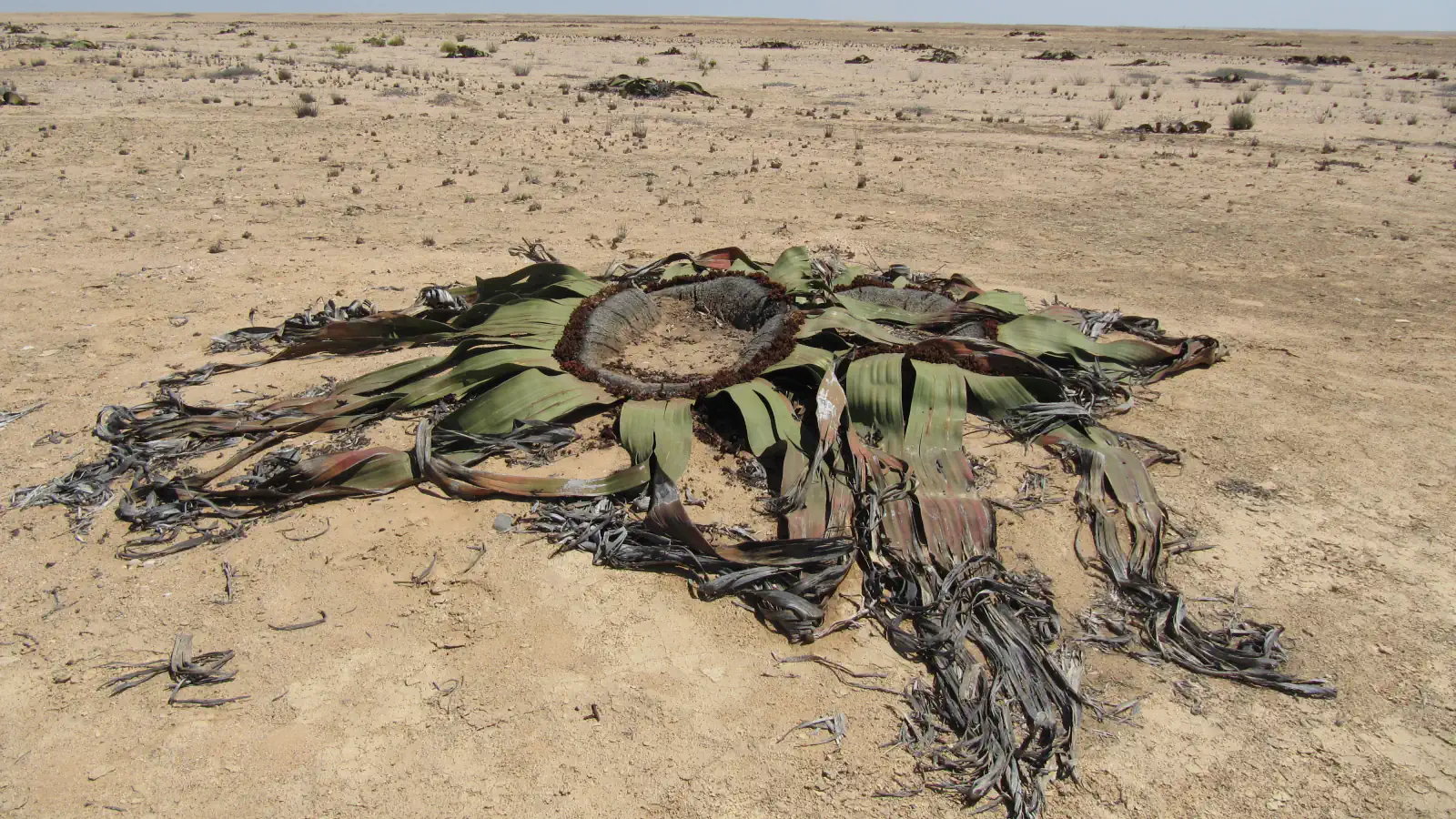
Britannica places the Moçâmedes Desert in southwestern Angola, at the northern end of the Namib Desert. Kew says the plant first appeared under the name Tumboa strobilifera after its discovery in 1859, and that Joseph Dalton Hooker named it after Friedrich Welwitsch in 1862. Hooker’s own account says Welwitsch had proposed the name Tumboa after a local name, then agreed to Welwitschia mirabilis instead. A letter from Welwitsch to Kew’s Director, now digitised by Kew, says he was honoured by the naming.[5][6][4]
Good to know
A few clear answers before you explore.
Why did giant sable and roan antelopes interbreed at Cangandala?
The authors link the hybridization to a shortage of mates of the same species. At Cangandala they observed no mature sable bull native to the area; a solitary roan male was nearby, and the recorded hybrid count matched that of sables in 2009. They present the case as support for Hubbs’ “desperation” hypothesis. These observations concern the Cangandala herd; the paper also discusses Luando, which supplied animals for the recovery effort.[3]
What do the excavations at Mbanza Kongo show?
The Madungu trench held Portuguese pottery, utensils and organic remains dated to the 15th–17th centuries. Excavators at Lumbu, the site of the former royal palace, found objects from Venice, Holland and Bohemia; ICOMOS reads these as support for oral accounts of the site’s royal standing. ICOMOS treats Tadi dya Bukikwa as a probable Jesuit college described by Mattheus Cardoso in 1624, rather than a confirmed identification.[1]
How did the plant receive the name Welwitschia?
Kew says Hooker named the genus to honour Friedrich Welwitsch in 1862. Hooker’s account says Welwitsch had proposed “Tumboa” but consented at once when Hooker suggested Welwitschia mirabilis instead, because Tumboa was applied to various plants. A letter from Welwitsch to Kew’s Director, now digitised by Kew, says he was honoured by the naming.[6][4]
The WorldStamped community
Every visit becomes part of a story.
- Members with public visits
- 0
- Places with public visits or memories
- 0
- Public memories
- 0
No public visits have been counted here yet. Add this destination to your own map and choose what you want to share.
Members are counted once. Counts include only eligible public activity from profiles that allow search discovery. Private and followers-only content is excluded.