🇺🇦Country
Chernivtsi roofs, Ukrainian beech forests and Askania-Nova steppe
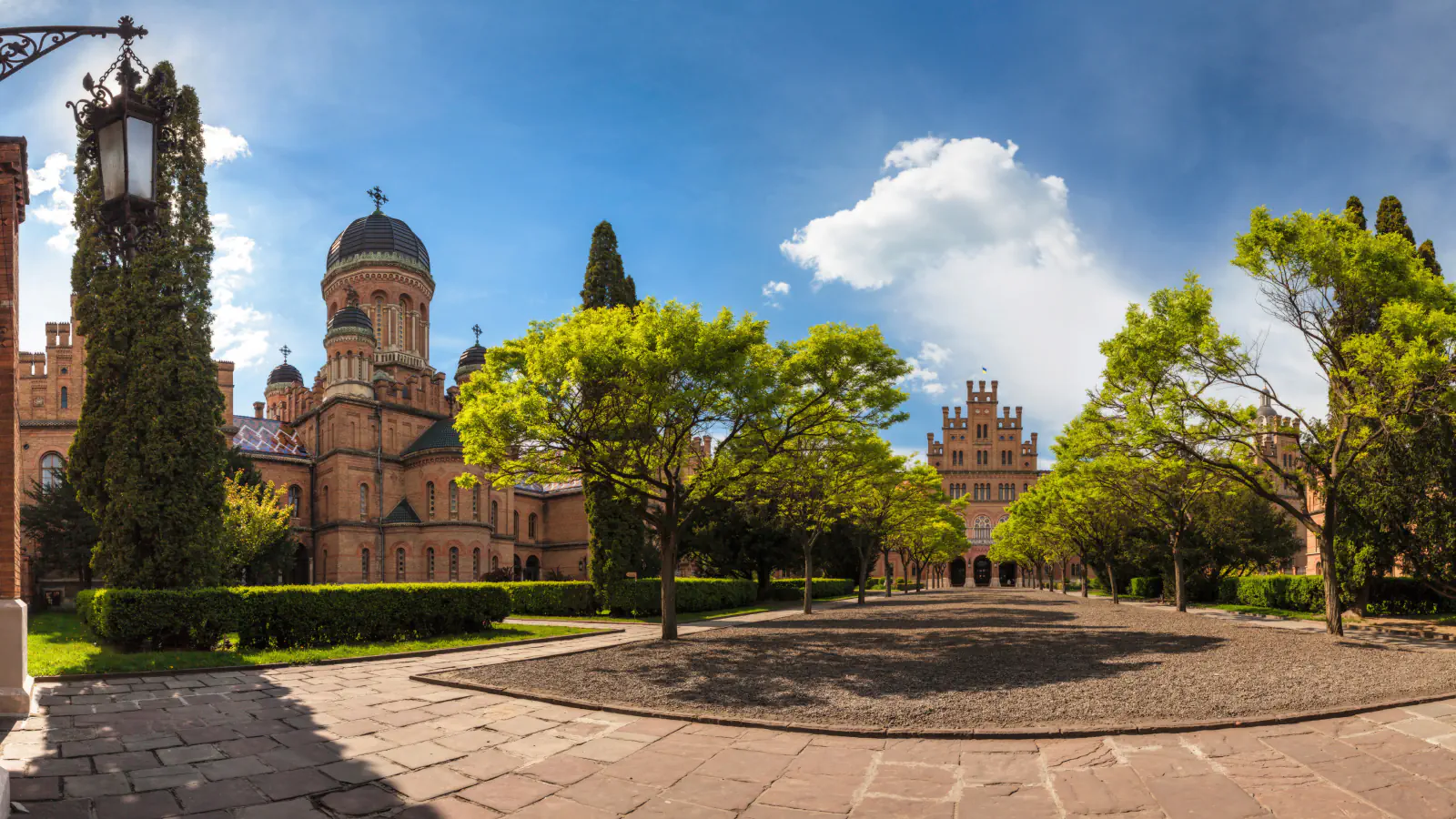
In Chernivtsi, UNESCO connects the roof’s patterns with folk culture and notes a gradual renewal using colour-glazed tiles from Austria. The beech-forest map lists 15 Ukrainian components; Askania-Nova’s history dates a steppe-conservation order to 1898.
At a glance
A place worth remembering
Chernivtsi’s replacement roof tiles follow the original patterns
UNESCO links the tiled roof’s decorative motifs with folk culture. Its authenticity account describes repairs in stages, using colour-glazed replacements shaped after historic designs and brought from Austria.[1]
Fifteen mapped Ukrainian beech-forest components
Askania-Nova’s steppe-protection date
The reserve’s historical account dates an order to conserve a large steppe plot to 1898 and attributes it to Friedrich Falz-Fein.[4]
Good to know
A few clear answers before you explore.
What does UNESCO say about the replacement roof tiles?
The entry says the later tiles came from Austria and were patterned after the earlier designs.[1]
How many components of the beech-forest property are mapped in Ukraine?
UNESCO’s map lists 15 Ukrainian entries in a 93-component series across 18 countries.[2][3]
What date does the reserve give for protecting a steppe plot?
Its history page dates the order to conserve a large steppe plot to 1898.[4]
The WorldStamped community
Every visit becomes part of a story.
- Members with public visits
- 0
- Places with public visits or memories
- 0
- Public memories
- 0
No public visits have been counted here yet. Add this destination to your own map and choose what you want to share.
Members are counted once. Counts include only eligible public activity from profiles that allow search discovery. Private and followers-only content is excluded.