🇿🇦Country
Fynbos, Little Foot and SALT’s segmented mirror
Fynbos’s regional plant figures, the four foot bones identified at Sterkfontein and SALT’s segmented primary mirror connect ecology, fossil research and optical design.
At a glance
- Fynbos
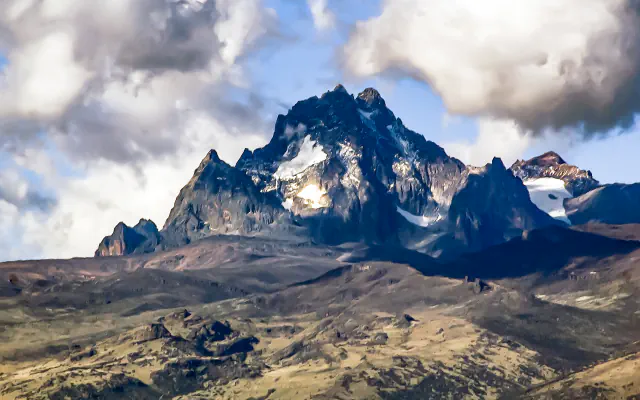
- About 4% of southern Africa’s area; nearly 44% of the region’s 20,500 plant species occur in it.[1]
- Little Foot
- Four foot bones identified in 1994; associated deposits dated to about 3.67 million years in 2015.[3]
- SALT primary mirror
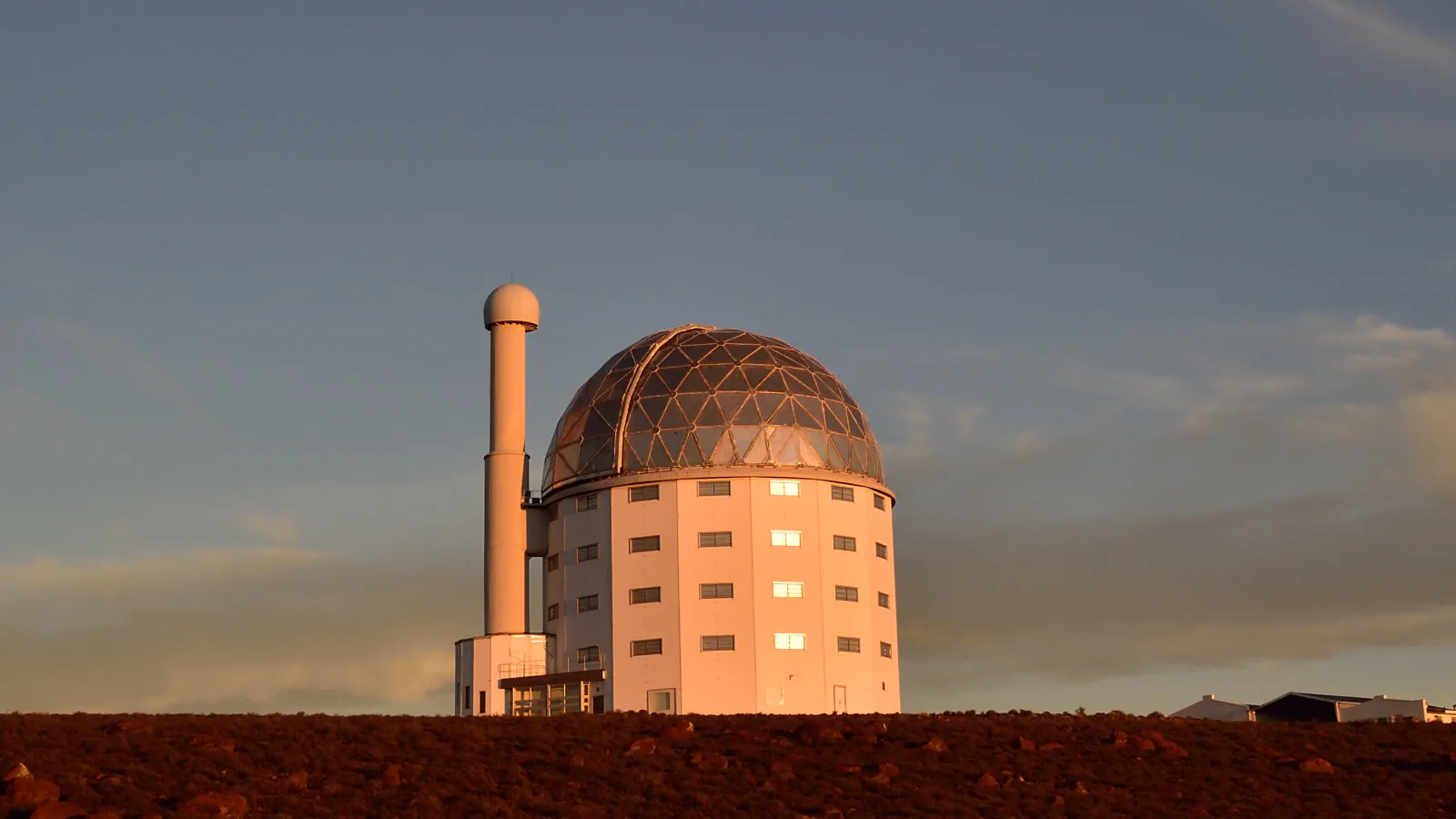
- 91 hexagonal segments, each 1 m across, form an 11 m spherical mirror.[4]
A place worth remembering
Fynbos in the regional plant landscape
The Little Foot find at Sterkfontein
Wits recounts that Ron Clarke identified four foot bones in 1994 among boxes of mixed fossils from a miner’s dump in Silberberg Grotto. The deposits associated with Little Foot were dated in 2015 to about 3.67 million years.[3]
SALT’s segmented primary mirror
SALT’s spherical primary mirror is 11 metres in diameter and assembled from 91 hexagonal segments, each one metre across. Individual mounts let the segments tip and tilt into alignment, approximating one reflecting surface.[4]
Good to know
A few clear answers before you explore.
How does fynbos compare with the wider region?
SANBI reports that the vegetation occupies about 4% of southern Africa, yet almost 44% of the region’s 20,500 plant species occur there. UNESCO links it to recurring fire and a Mediterranean climate.[1][2]
What was identified at Sterkfontein in 1994?
Wits says four foot bones were identified in 1994 among mixed fossils from a miner’s dump at Silberberg Grotto. It dates the associated deposits to about 3.67 million years in 2015.[3]
How does SALT make one mirror from separate pieces?
Its 91 one-metre hexagonal segments make up an 11-metre spherical primary. Adjustable mounts allow them to be tipped and tilted until they approximate one reflecting surface.[4]
The WorldStamped community
Every visit becomes part of a story.
- Members with public visits
- 0
- Places with public visits or memories
- 0
- Public memories
- 0
No public visits have been counted here yet. Add this destination to your own map and choose what you want to share.
Members are counted once. Counts include only eligible public activity from profiles that allow search discovery. Private and followers-only content is excluded.