🇸🇨Country
Seychelles: Aldabra tortoise estimates, Vallée de Mai palms and La Digue copra mill
A study estimates an average of about 180,000 giant tortoises on Aldabra for 2018–2021, primarily adults and sub-adults, although the survey records cover 2018–2022. The authors separate the periods because effort in the 2022 wet season was much lower. At Vallée de Mai, SIF records leaf growth and reproduction on marked coco de mer palms every three months. A 2019 report identifies a traditional copra mill and kiln at L’Union Estate on La Digue.
At a glance
A place worth remembering
Aldabra: from sightings to a population estimate
Hillyard and colleagues analysed SIF’s transect observations with a model that estimates tortoise abundance and the chance of detection. They report a mean of about 180,000 and a population that looked relatively stable from 2018 through 2021. The authors say the estimate mainly reflects adult and sub-adult tortoises: juveniles hide in dense vegetation and are effectively out of view for transect observers. Records cover the wet seasons labelled 2018–2022, but the 2022 estimate is not part of that mean: effort was much lower, and the transects favoured areas where earlier counts had found more tortoises. The authors say earlier totals cannot be set neatly beside this estimate, because those surveys neither modelled how many tortoises went unseen nor allowed for seasonal availability.[1]
Vallée de Mai: monitoring long-lived palms
SIF describes Vallée de Mai on Praslin as a 19.5 ha forest where six endemic Seychelles palm species occur together. SIF says the reserve has run a research and monitoring programme staffed full time since 2008. For long-lived coco de mer, staff revisit marked trees every three months to record leaf growth and reproductive output; SIF says this long-term record helps address questions about growth, survival and reproduction.[2]
La Digue: a copra mill at L’Union Estate
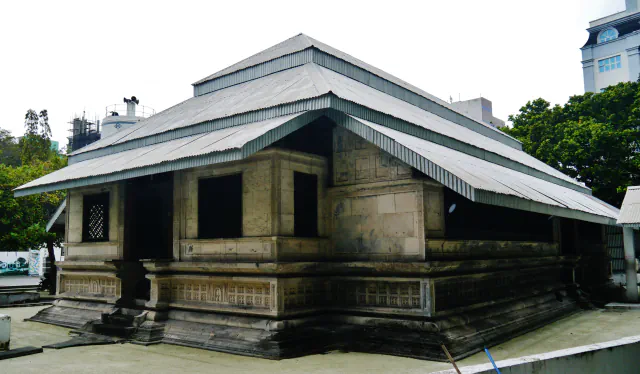
A July 2019 report quotes an estate representative describing L’Union as a “living museum” and records a copra mill and kiln among the La Digue property’s features.[3]
Good to know
A few clear answers before you explore.
Why is the 2022 wet-season estimate separate from the study mean?
The authors say survey effort was much lower and the transects favoured areas with historically higher counts, so they left that estimate out of the 2018–2021 mean.[1]
Why are older tortoise counts difficult to compare with this estimate?
The authors say those surveys did not account for missed animals or seasonal availability, so comparisons need caution.[1]
What does SIF record on marked coco de mer palms?
Every three months, staff record leaf growth and reproductive output on marked trees. SIF says a research and monitoring programme staffed full time has operated at Vallée de Mai since 2008.[2]
The WorldStamped community
Every visit becomes part of a story.
- Members with public visits
- 0
- Places with public visits or memories
- 0
- Public memories
- 0
No public visits have been counted here yet. Add this destination to your own map and choose what you want to share.
Members are counted once. Counts include only eligible public activity from profiles that allow search discovery. Private and followers-only content is excluded.