City
A garden linked to mosque water in Sana’a
A 2005 study describes mosque ablution water being reused to irrigate a quarter garden in Sana’a; its hara model also includes a bathhouse.
At a glance
A place worth remembering
Grey water for a Sana’a garden
Michele Lamprakos’s 2005 study, based on a year of fieldwork, describes the hara model: mosque ablution water irrigated a maqshama garden, and the quarter also included a bathhouse. Figure 3 separately names Maqshamat al-Hurqan among the old city’s many agricultural gardens.[1]
Wholesale trade in the samasir
Wholesale trade took place in larger samasir, or caravanserais, set among the market’s mostly single-storey buildings. Lamprakos places the central market east of a dry wadi.[1]
Sana’a’s tower-house form
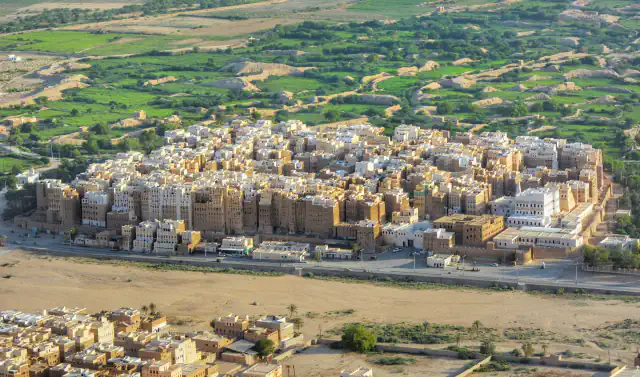
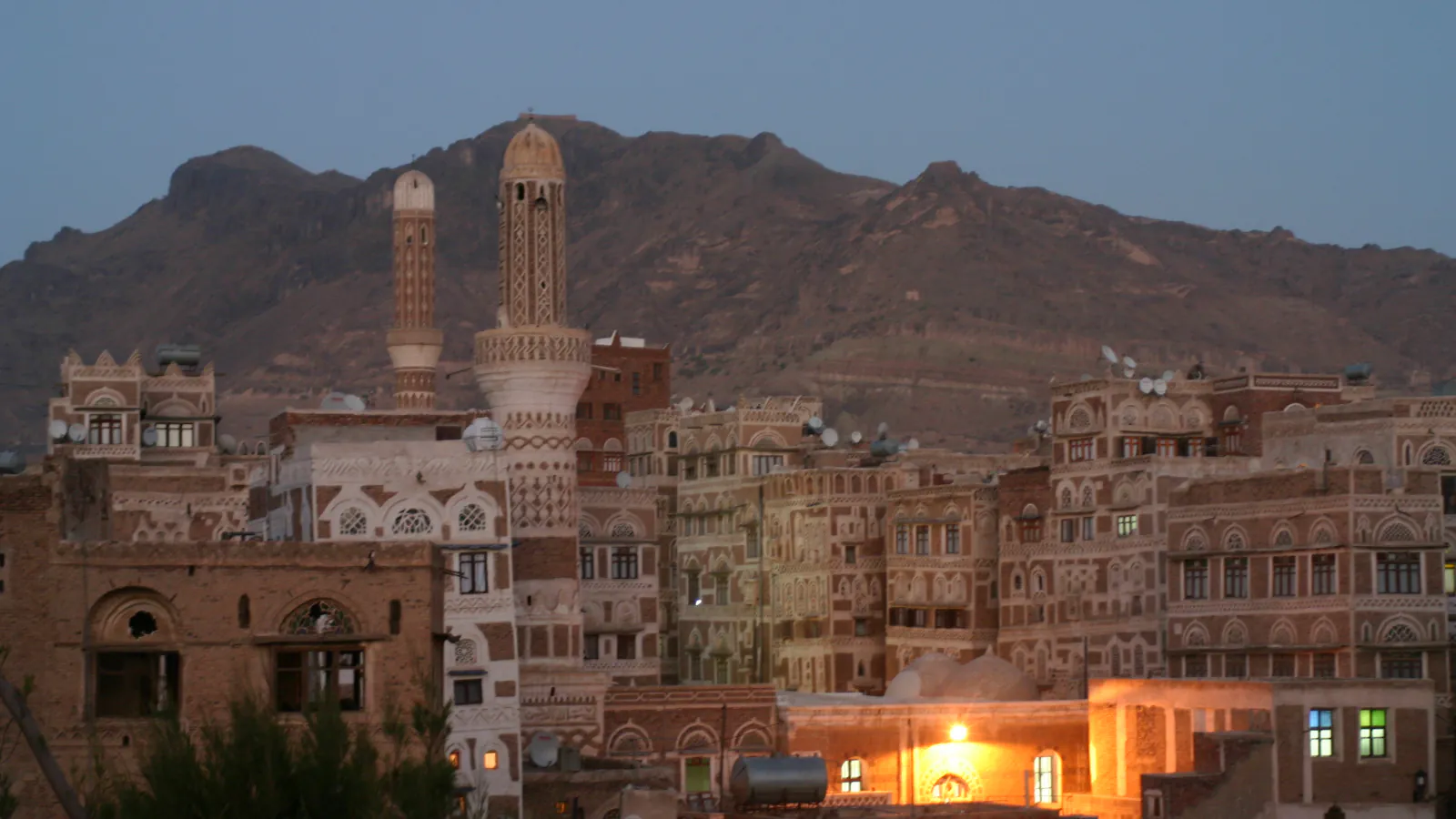
Lamprakos writes that Sana’a is best known for its own version of the tower house, which occurs across Yemen. These houses can reach eight storeys; builders used stone and baked brick, and the openings carry plaster decoration.[1]
Good to know
A few clear answers before you explore.
What irrigated a quarter’s maqshama garden, according to the 2005 study?
Grey water from the mosque’s ablution pool.[1]
What were samasir used for in the market?
They served wholesale trade.[1]
What are Sana’a’s tower houses built of, according to the 2005 study?
Stone and fired brick, with plaster-decorated openings.[1]
The WorldStamped community
Every visit becomes part of a story.
- Members with public visits
- 0
- Places with public visits or memories
- 0
- Public memories
- 0
No public visits have been counted here yet. Add this destination to your own map and choose what you want to share.
Members are counted once. Counts include only eligible public activity from profiles that allow search discovery. Private and followers-only content is excluded.