City
A Reykjavík house and Harpa’s double meaning
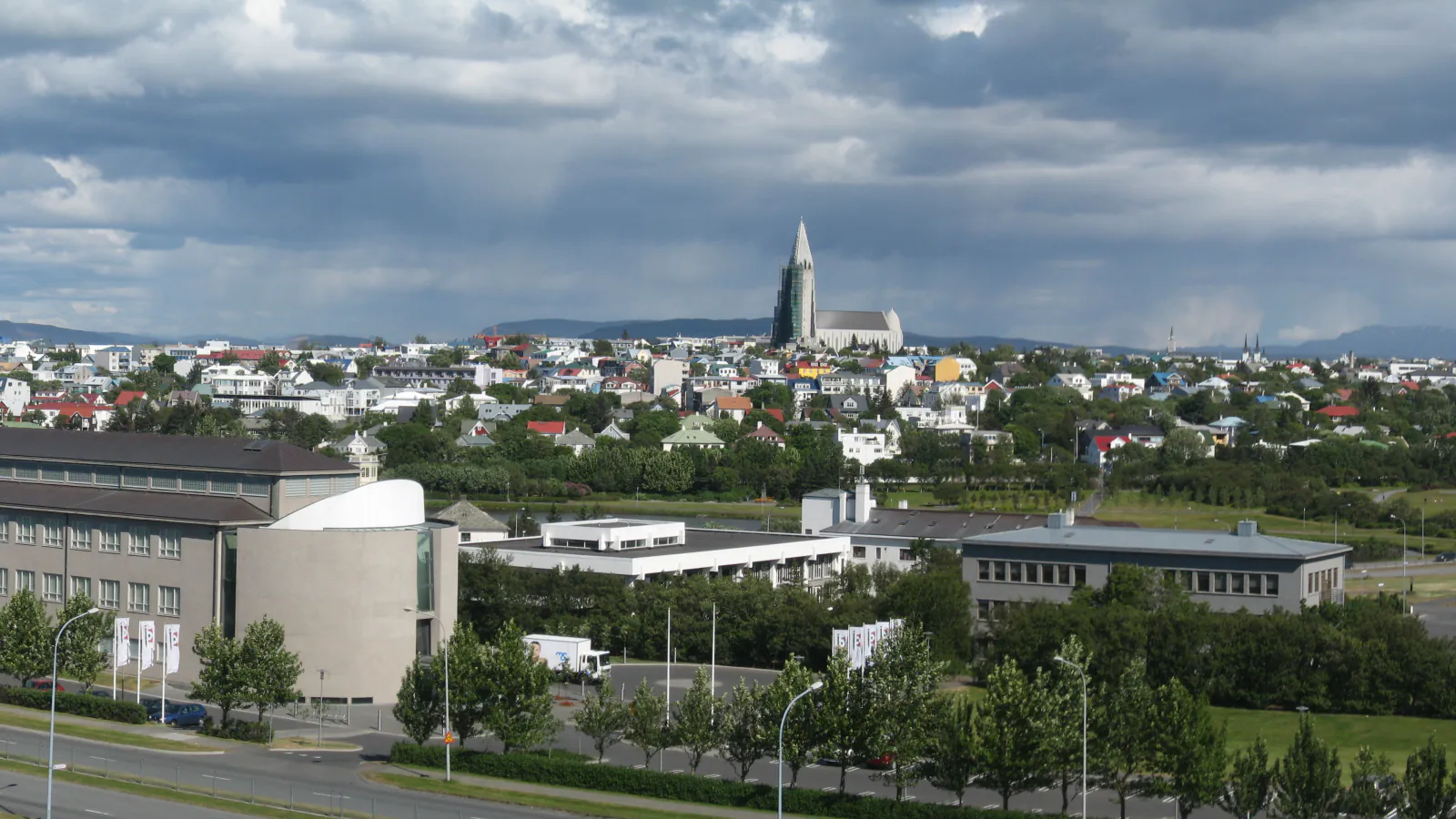
The City Museum links a house at Aðalstræti 10, dated 1762, to Innréttingar. A 2022 addition carries the Settlement Exhibition’s account beyond settlement, while Harpa’s name also refers to the instrument and an old-calendar month.
At a glance
A place worth remembering
Aðalstræti 10 and the Innréttingar initiative
A 2022 addition carries the Settlement Exhibition’s account beyond the settlement era. The City Museum also dates Aðalstræti 10 to 1762 and links the house to Innréttingar, which it describes as the start of Reykjavík’s urban development.[1]
Two references in Harpa’s name
The venue’s history connects Harpa to Icelandic language: the word names a harp and a month in an old Nordic calendar.[2]
How the name Harpa was chosen
Harpa’s history page says the name was announced on 11 December 2009, chosen from 4,156 proposals sent in by 1,200 citizens. The brief was a name that was Icelandic yet easy to say in many languages.[2]
Good to know
A few clear answers before you explore.
What year does the City Museum give for Aðalstræti 10?
1762; the museum also links the house to Innréttingar.[1]
What second meaning does Harpa have in Icelandic?
Besides naming the instrument, harpa is the name of a month in an old Nordic calendar, according to Harpa’s own history page.[2]
How many name proposals did Harpa receive?
Harpa says 4,156 proposals were entered by 1,200 citizens before the winning name, Harpa, was chosen.[2]
The WorldStamped community
Every visit becomes part of a story.
- Members with public visits
- 0
- Places with public visits or memories
- 0
- Public memories
- 0
No public visits have been counted here yet. Add this destination to your own map and choose what you want to share.
Members are counted once. Counts include only eligible public activity from profiles that allow search discovery. Private and followers-only content is excluded.