🇵🇱Country
Poland: a salt mine after extraction, a forest under strict protection and a castle restored
Wieliczka distinguishes two endpoints: rock-salt extraction ended in 1964, while exploitation of the deposit ceased on 30 June 1996. A former Strict Reserve has protected part of Białowieża’s forest since 1921; the museum cites Malbork’s Chapter House vault, where medieval details found in rubble were inventoried and matched to their places.
At a glance
- Mining milestones
- Rock-salt extraction ended in 1964; deposit exploitation ceased on 30 June 1996.[1]
- Białowieża strict-protection area
- 6,059.27 ha (57.6% of the park); the former Strict Reserve covers 4,747.17 ha and has protected the forest since 1921.[3]
- Chapter House vault
- Medieval details recovered from the rubble were inventoried and matched to original places.[4]
A place worth remembering
Wieliczka: extraction and deposit exploitation
Białowieża: the scope of strict protection
The park describes 6,059.27 ha as strictly protected, or 57.6% of its area. This includes 4,747.17 ha of the former Strict Reserve, which has protected the forest since 1921; the park separately describes active conservation on selected meadows.[3]
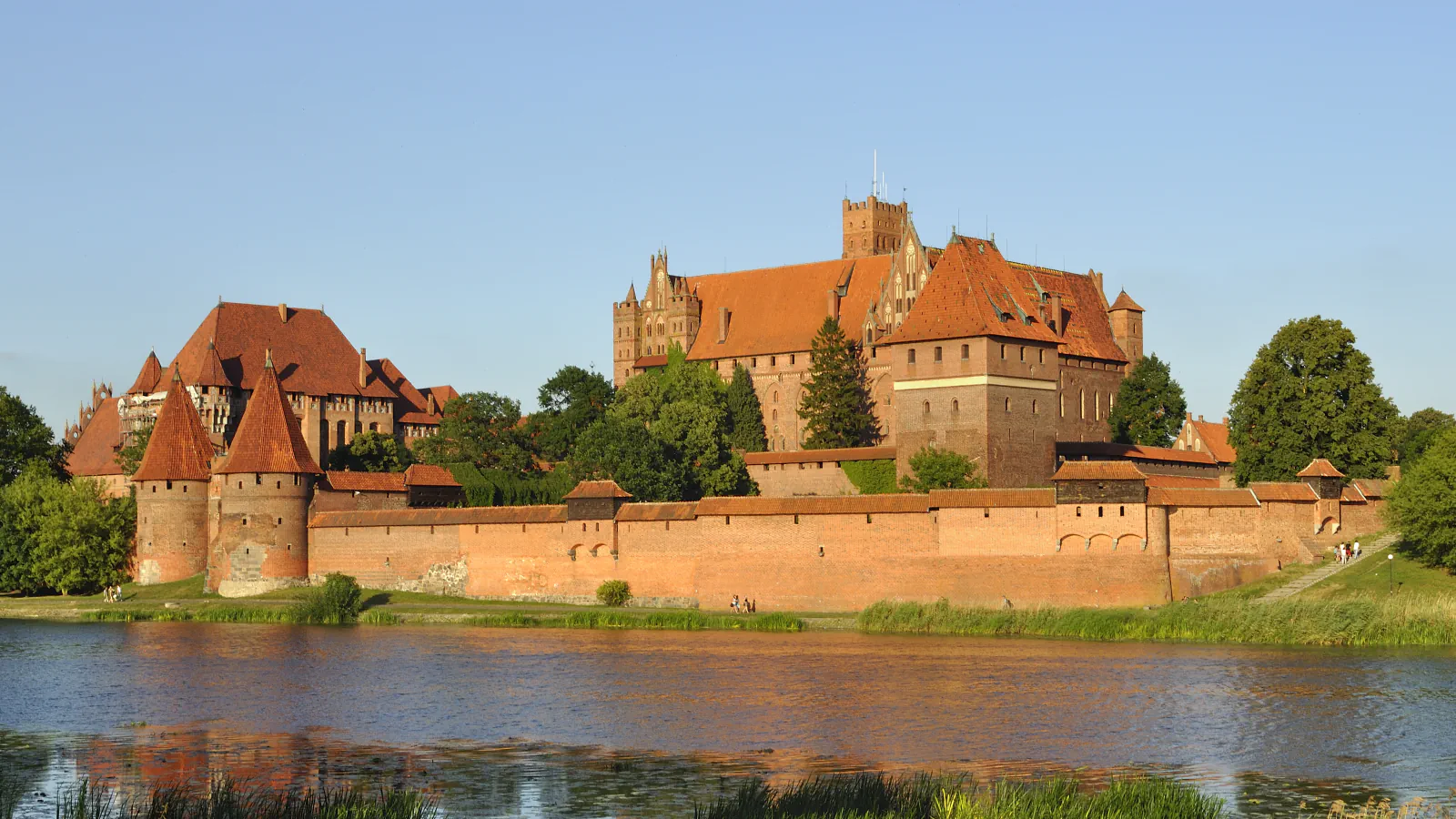
Malbork: recovered details put back in place
The Castle Museum cites the rebuilding of the Chapter House vault as a model of historical method: medieval details recovered from the rubble were inventoried and, after research, set back in their original places in the hall.[4]
Good to know
A few clear answers before you explore.
Is Wieliczka still a working mine?
The operator calls it a mining plant that is still active. After deposit exploitation ended, it says, the key task became securing more than 9 million m³ of underground voids; the second function is opening the mine’s heritage to visitors. It adds that the Wieliczka salt on sale today comes from processing leaked saline water.[2]
What does the 1996 date mark at Wieliczka?
The museum dates the end of rock-salt extraction to 1964 and the end of deposit exploitation to 30 June 1996. The operator says safeguarding underground voids became the mine’s key task after deposit exploitation ceased.[1][2]
Does strict protection cover all of Białowieża National Park?
No. The park lists 6,059.27 ha, or 57.6% of its area, under strict protection; it separately describes active conservation on selected meadows.[3]
The WorldStamped community
Every visit becomes part of a story.
- Members with public visits
- 0
- Places with public visits or memories
- 0
- Public memories
- 0
No public visits have been counted here yet. Add this destination to your own map and choose what you want to share.
Members are counted once. Counts include only eligible public activity from profiles that allow search discovery. Private and followers-only content is excluded.