🇵🇼Country
Limestone quarry sites, a carved coffin and jellyfish monitoring
A 2004 Palau submission describes two limestone quarry areas; a separate entry records an andesite coffin at Ollei. At Jellyfish Lake, monthly estimates track golden jellyfish, while research documents crashes and returns.
At a glance
- Quarry route in the 2004 Palau submission
- About 400 km of open water between Yap and Palau’s limestone quarry sites[1]
- Tet el Bad stone coffin, Ollei
- 233 cm long, 66 cm wide, 40 cm high, with walls 12 cm thick[2]
- How Jellyfish Lake is sampled
- Monthly estimates since 1999, based on catches at 15 stations[3]
A place worth remembering
Limestone quarry sites on a Rock Island
The two sites have different settings: Uet el Daob ma Uet el Beluu lies inland between marine lakes, while Chelechol ra Orrak contains caves behind a west-coast beach. The 2004 Palau submission identifies both as limestone sources for Yapese disk money.[1]
Tet el Bad: an andesite coffin on a chiefs’ platform
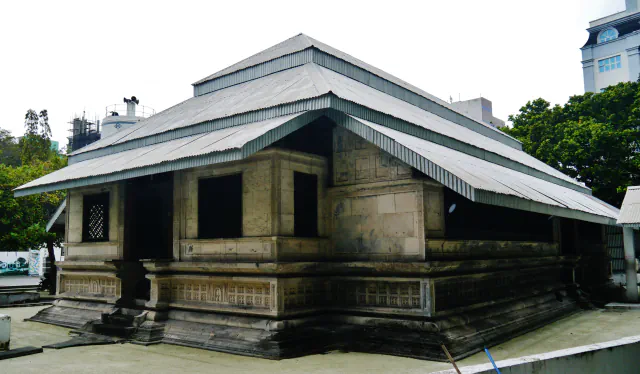
Palau’s 2004 entry locates Tet el Bad at Ollei and describes an andesite coffin set on a stone platform associated with a chiefs’ meeting house. The 233 cm-long casket has a peaked lid with two knobs on each side; grooves mark its eastern end.[2]
Jellyfish Lake: estimates built from repeated samples
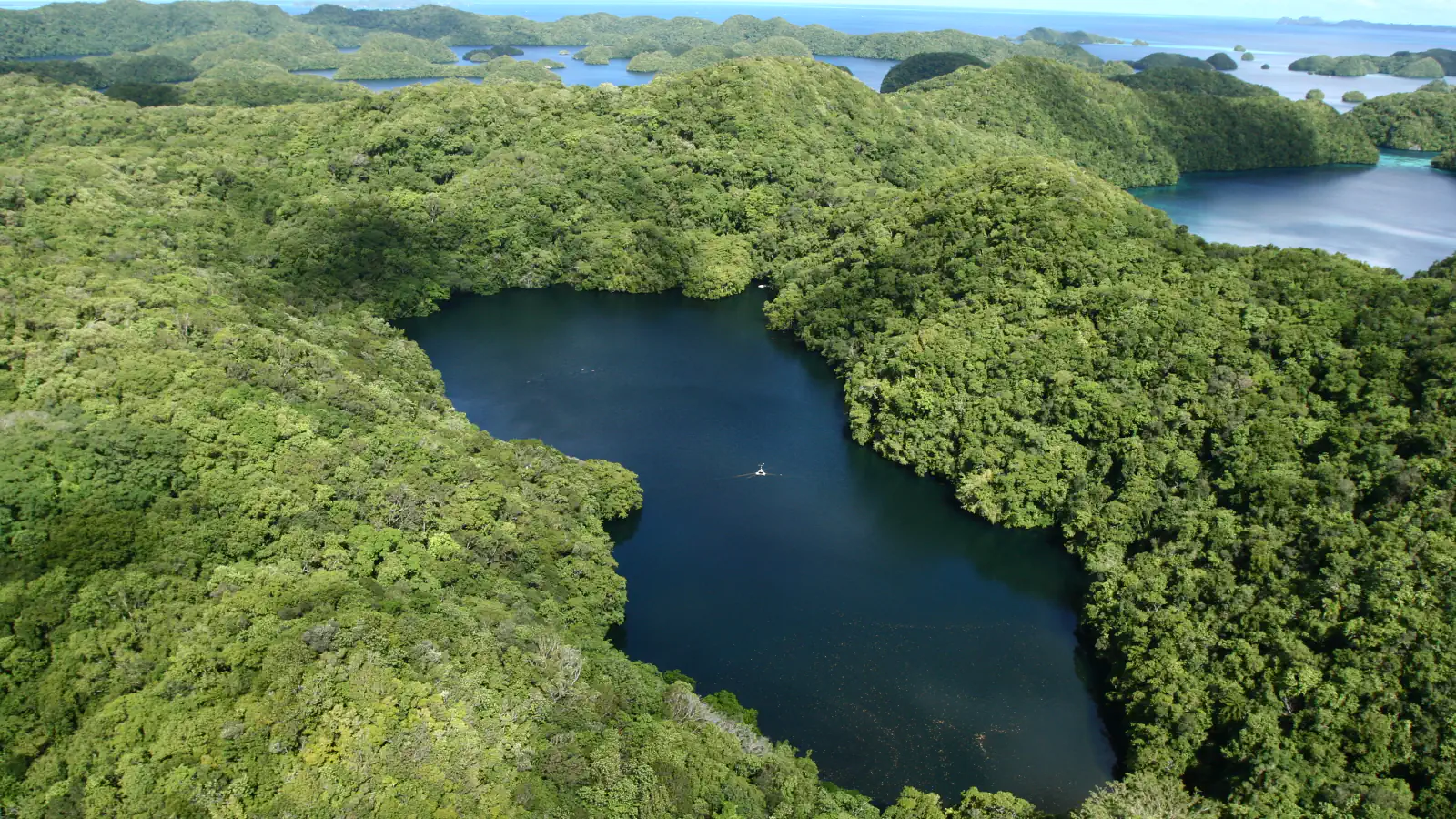
CRRF says it has estimated golden jellyfish monthly since 1999 using catches from 15 stations. A 2020 conference abstract reports medusa crashes after the 1997/98 and 2015/16 El Niño events, followed by their return as polyps produced new jellies under improved conditions. The authors name drought, low oxygen and later warming as likely factors. IUCN’s 2025 outlook calls the recovery trend encouraging and says current data on numbers appear limited; the same assessment rates marine lakes ‘High Concern’ with a deteriorating trend and describes a decline in golden jellyfish since October 2021.[3][4][5]
Good to know
A few clear answers before you explore.
What stone did the quarries yield?
The 2004 Palau submission identifies limestone worked into oval and round stone-money discs.[1]
What stone was used for Tet el Bad?
The separate 2004 Palau submission to UNESCO’s Tentative List identifies andesite for the coffin and its lid.[2]
What did researchers report after the El Niño-related crashes?
The 2020 conference abstract says medusae returned when conditions improved and polyps produced new jellies; the authors name drought, low oxygen and later rising temperatures as likely factors.[4]
The WorldStamped community
Every visit becomes part of a story.
- Members with public visits
- 0
- Places with public visits or memories
- 0
- Public memories
- 0
No public visits have been counted here yet. Add this destination to your own map and choose what you want to share.
Members are counted once. Counts include only eligible public activity from profiles that allow search discovery. Private and followers-only content is excluded.