🇲🇺Country
Mauritius: a depot footprint, mountain archaeology and seed dispersal
Aapravasi Ghat in Port Louis preserves part of an immigration depot; UNESCO says under half of its 1865 footprint remains. ICOMOS interprets archaeological traces on Le Morne as evidence of temporary use, while a 2011 study on Île aux Aigrettes reports improved ebony seed germination after tortoise gut passage.
At a glance
- Aapravasi Ghat
- UNESCO says the surviving footprint is under half of the depot area from 1865.[1]
- Le Morne
- ICOMOS reports 25 soil samples showing human activity on the southern summit and in parts of the Técoma forest.[2]
- Île aux Aigrettes
- A 2011 abstract reports better germination of Diospyros egrettarum seeds after tortoise gut passage.[3]
A place worth remembering
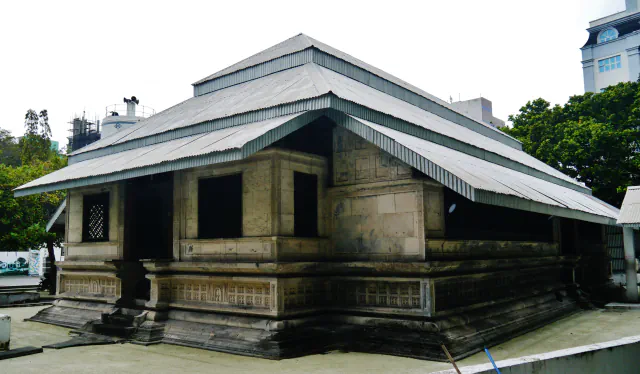
Aapravasi Ghat beside Trou Fanfaron Bay
At Trou Fanfaron Bay in Port Louis, Aapravasi Ghat preserves part of a former immigration depot. UNESCO’s integrity assessment places the surviving footprint below 50% of the depot’s 1865 area, while noting that original structural components still stand.[1]
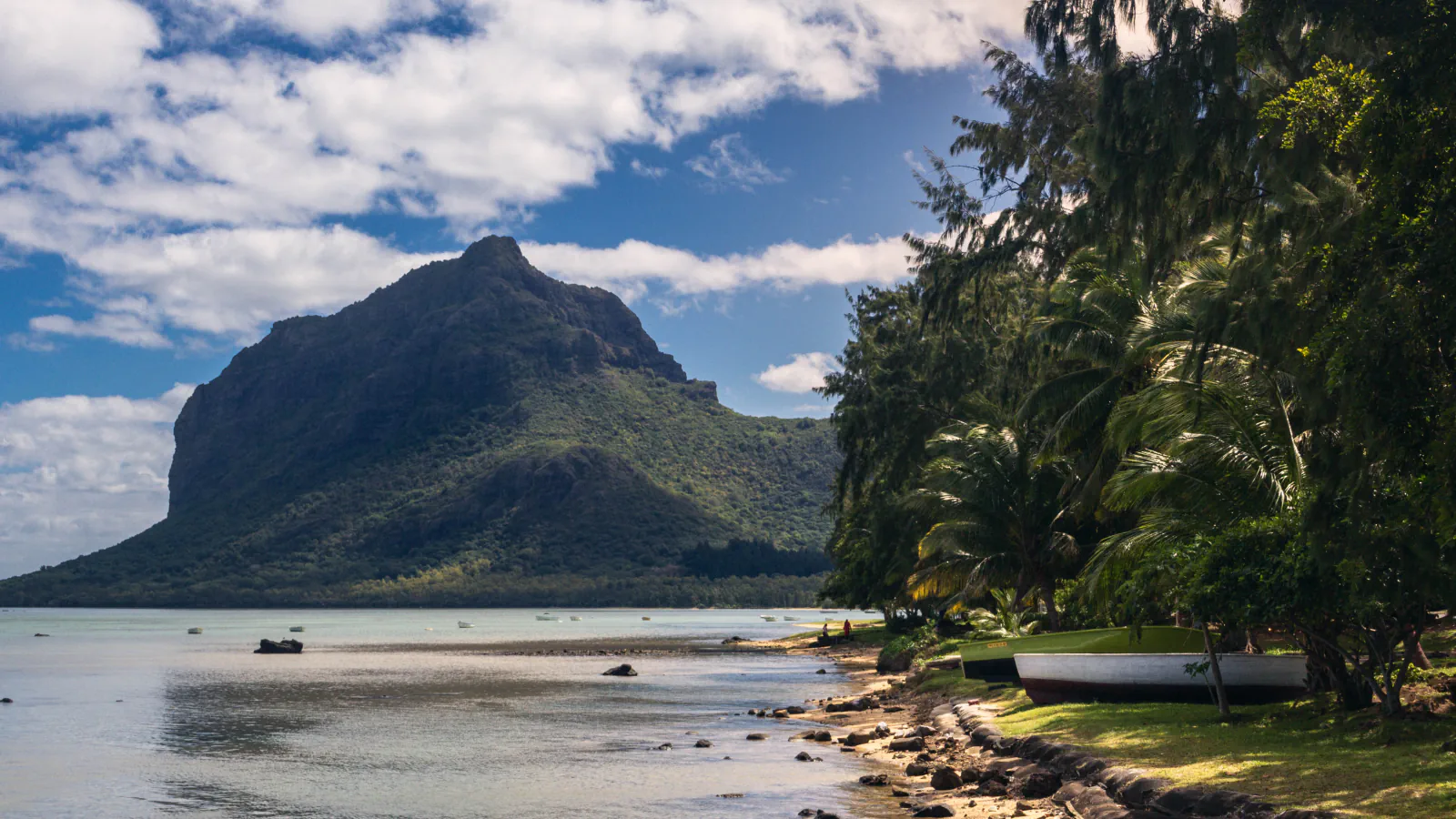
Le Morne: archaeological traces of temporary use
In its 2008 evaluation, ICOMOS interprets archaeological finds from Le Morne as evidence of temporary human use. It reports that 25 soil samples show human activity in the south of the summit and in parts of the Técoma forest, and that a sheep bone among the food bones in the rock shelters has been dated to 1736–1807.[2]
Île aux Aigrettes: an ebony seed study
A 2011 study by Griffiths and colleagues reports improved germination of endemic ebony Diospyros egrettarum seeds after they passed through the gut of introduced Aldabra giant tortoises (Aldabrachelys gigantea). The researchers used the tortoises as seed dispersers after native large-bodied fruit-eaters had become extinct.[3]
Good to know
A few clear answers before you explore.
What does the 1865 comparison at Aapravasi Ghat refer to?
UNESCO compares the surviving depot footprint with the area the site occupied in 1865. Its integrity assessment says the retained area is below half of that extent, although original structural components remain.[1]
What does the 1736–1807 date refer to at Le Morne?
ICOMOS assigns that range to a sheep bone among the food bones found in the rock shelters; it is not a date for every archaeological trace on the mountain. The same evaluation discusses soil-sample evidence of human interference.[2]
Why were Aldabra giant tortoises introduced to Île aux Aigrettes?
The 2011 abstract says they were used to disperse ebony seeds after native large-bodied fruit-eaters, including giant tortoises, had become extinct. It reports that seeds germinated better after passing through the tortoises’ digestive tract.[3]
The WorldStamped community
Every visit becomes part of a story.
- Members with public visits
- 0
- Places with public visits or memories
- 0
- Public memories
- 0
No public visits have been counted here yet. Add this destination to your own map and choose what you want to share.
Members are counted once. Counts include only eligible public activity from profiles that allow search discovery. Private and followers-only content is excluded.