🇮🇹Country
Italy through mountains, water and city layers
The Dolomites preserve evidence of Triassic marine life; Venice’s heritage reaches across lagoon settlements; and Rome shows how later periods reshaped an ancient city. Compare these places as you build your own map.
At a glance
A place worth remembering
The Dolomites: nine protected mountain areas
A lagoon of islands and settlements
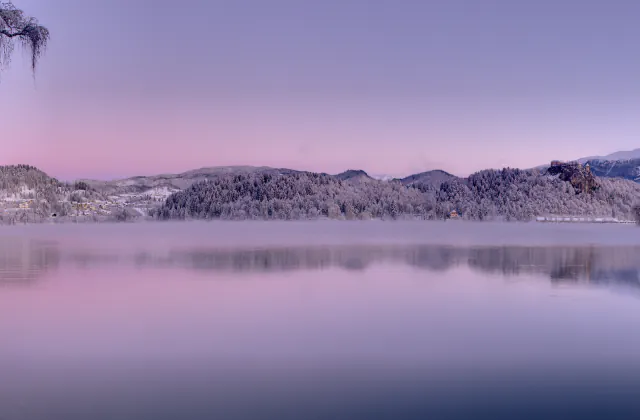
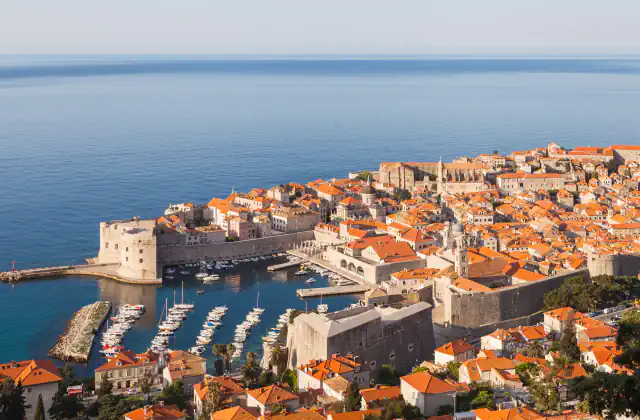
UNESCO’s property joins Venice with its lagoon, where settlements extend beyond the central city. Torcello lies to the north, Chioggia to the south, and Murano is identified as an artisan settlement. The historic city itself grew across 118 small islands, with origins in the fifth century.[2]
Rome’s changing urban layers
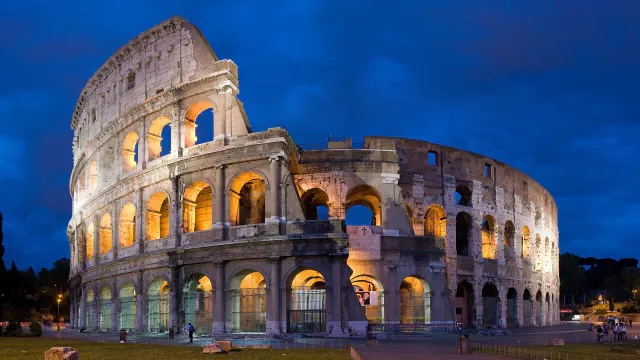
UNESCO presents Rome as a city shaped by reuse: from the fourth century onward, Christian construction adapted spaces and buildings from the ancient city, while later Renaissance and Baroque projects changed its urban fabric again. The property includes the historic centre inside the city walls’ widest seventeenth-century extent, together with the Basilica of St Paul Outside the Walls.[3]
Good to know
A few clear answers before you explore.
Are the UNESCO Dolomites one continuous protected area?
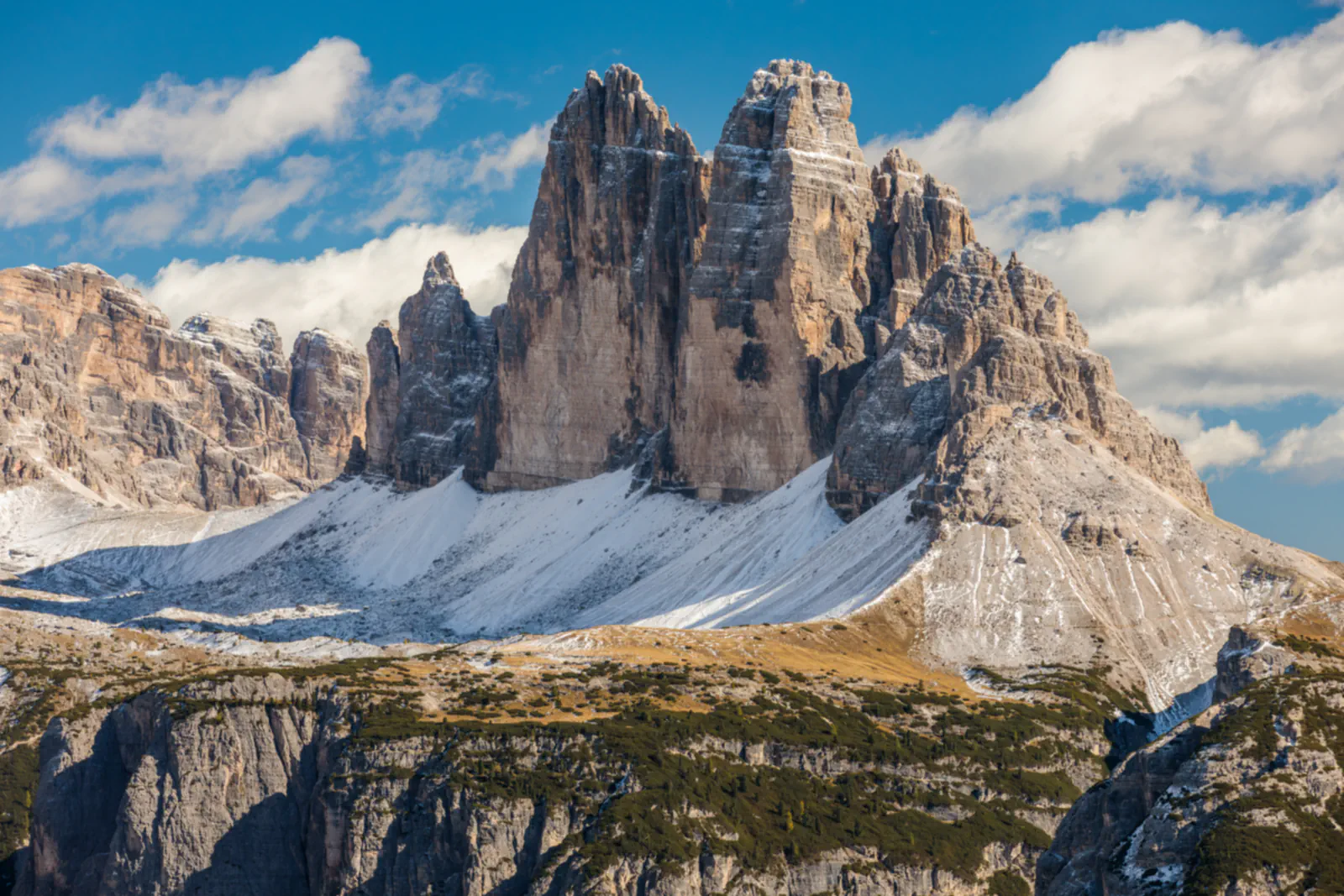
No. The World Heritage property comprises nine component areas, recognised together for their mountain scenery and geological value.[1]
Does Venice’s UNESCO site include the lagoon?
Yes. The property is Venice and its Lagoon, encompassing the relationship between the historic city, other settlements and their watery environment.[2]
Which basilica outside the historic centre is part of Rome’s UNESCO property?
The Basilica of St Paul Outside the Walls is included alongside the historic centre, whose boundary reflects Rome’s city walls in the seventeenth century.[3]
The WorldStamped community
Every visit becomes part of a story.
- Members with public visits
- 0
- Places with public visits or memories
- 0
- Public memories
- 0
No public visits have been counted here yet. Add this destination to your own map and choose what you want to share.
Members are counted once. Counts include only eligible public activity from profiles that allow search discovery. Private and followers-only content is excluded.