🇸🇮Country
Slovenia, from lake shores to the Karst
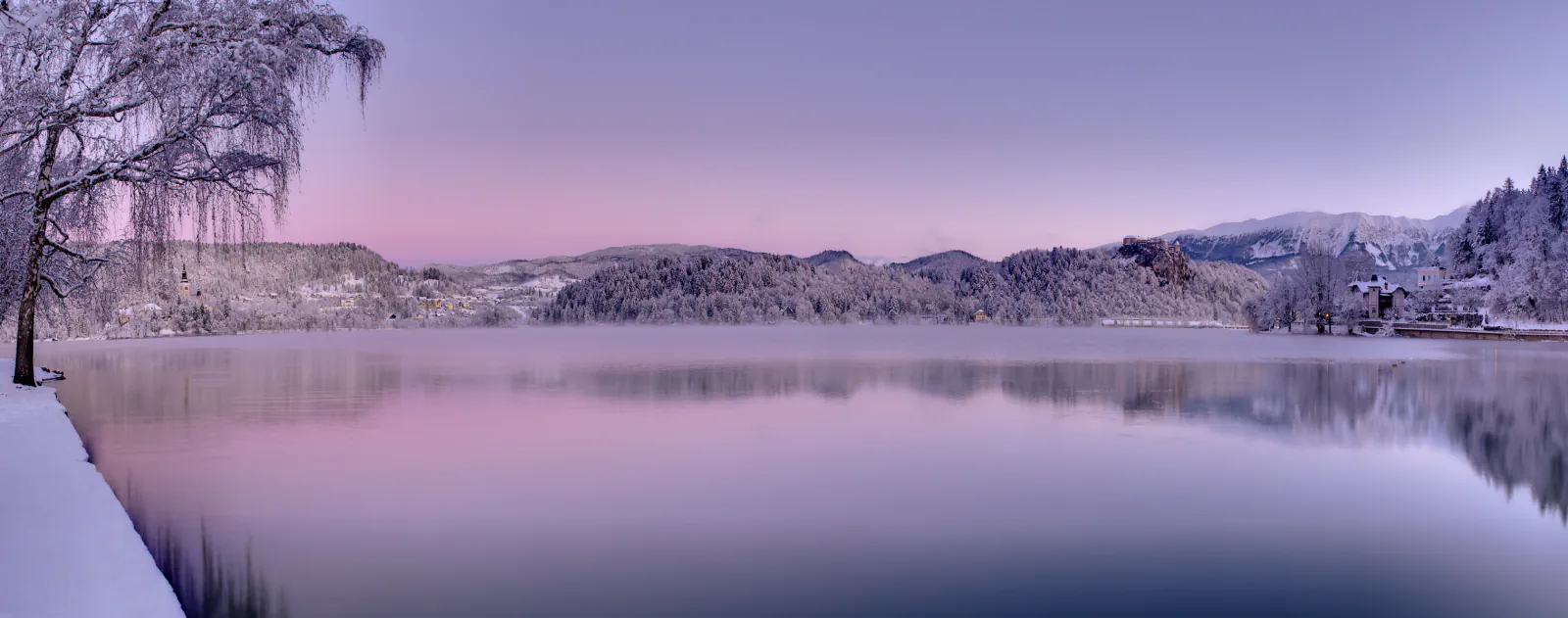
On Lake Bled, traditional pletna boats connect the shore with the island church, while Bled Castle stands on a cliff above the water. At Škocjan, the Reka cuts a canyon underground; beside Piran, salt-making continues in the pans.
At a glance
A place worth remembering
Lake Bled: look beyond the island
Škocjan: follow the story of the Reka
On the Kras Plateau, the Reka disappears into the karst underground and passes through a limestone canyon that UNESCO gives as up to 150 metres high and more than 120 metres wide. The same listing notes rare plants and animals in the collapsed dolines, which are karst sinkholes. UNESCO inscribed the caves in 1986.[3]
Piran: a coastal town shaped by salt
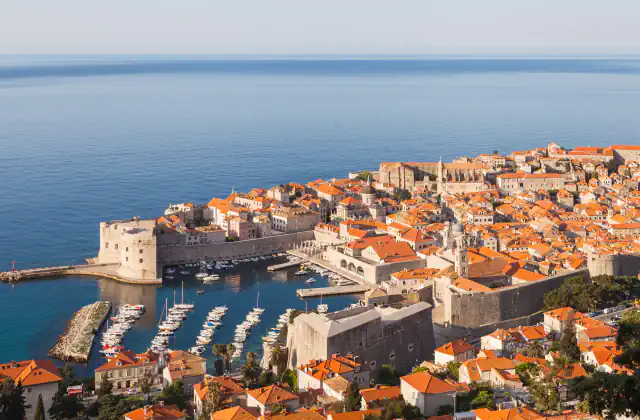
The Slovenian Tourist Board describes Piran as an old port town that grew up under Venetian influence, with narrow streets running down to a central square on the coast. It says fleur de sel is still produced in the salt pans using age-old methods.[4]
Good to know
A few clear answers before you explore.
What connects Škocjan Caves with the Reka River?
The Reka carved the limestone canyon and flows through the cave system. Škocjan Caves have been a UNESCO World Heritage site since 1986.[3]
Where do the church and castle stand around Lake Bled?
The church stands on the island, while Bled Castle overlooks the lake from a cliff. The traditional pletna is the boat connecting the island with the shore.[2][1]
Is salt still produced in the pans near Piran?
Yes. The Slovenian Tourist Board says fleur de sel is still produced in the Piran salt pans using age-old methods.[4]
The WorldStamped community
Every visit becomes part of a story.
- Members with public visits
- 0
- Places with public visits or memories
- 0
- Public memories
- 0
No public visits have been counted here yet. Add this destination to your own map and choose what you want to share.
Members are counted once. Counts include only eligible public activity from profiles that allow search discovery. Private and followers-only content is excluded.