🇭🇺Country
Hungary, from the Hortobágy plain to Pannonhalma
Treeless alkaline grasslands have dominated the Hortobágy since the end of the Pleistocene; herding there spans more than two millennia. Budapest formed when Pest, Buda and Óbuda were united in 1872–73; Pannonhalma’s Benedictine monastery was founded in 996.
At a glance
A place worth remembering
Pastoral use on the Hortobágy puszta
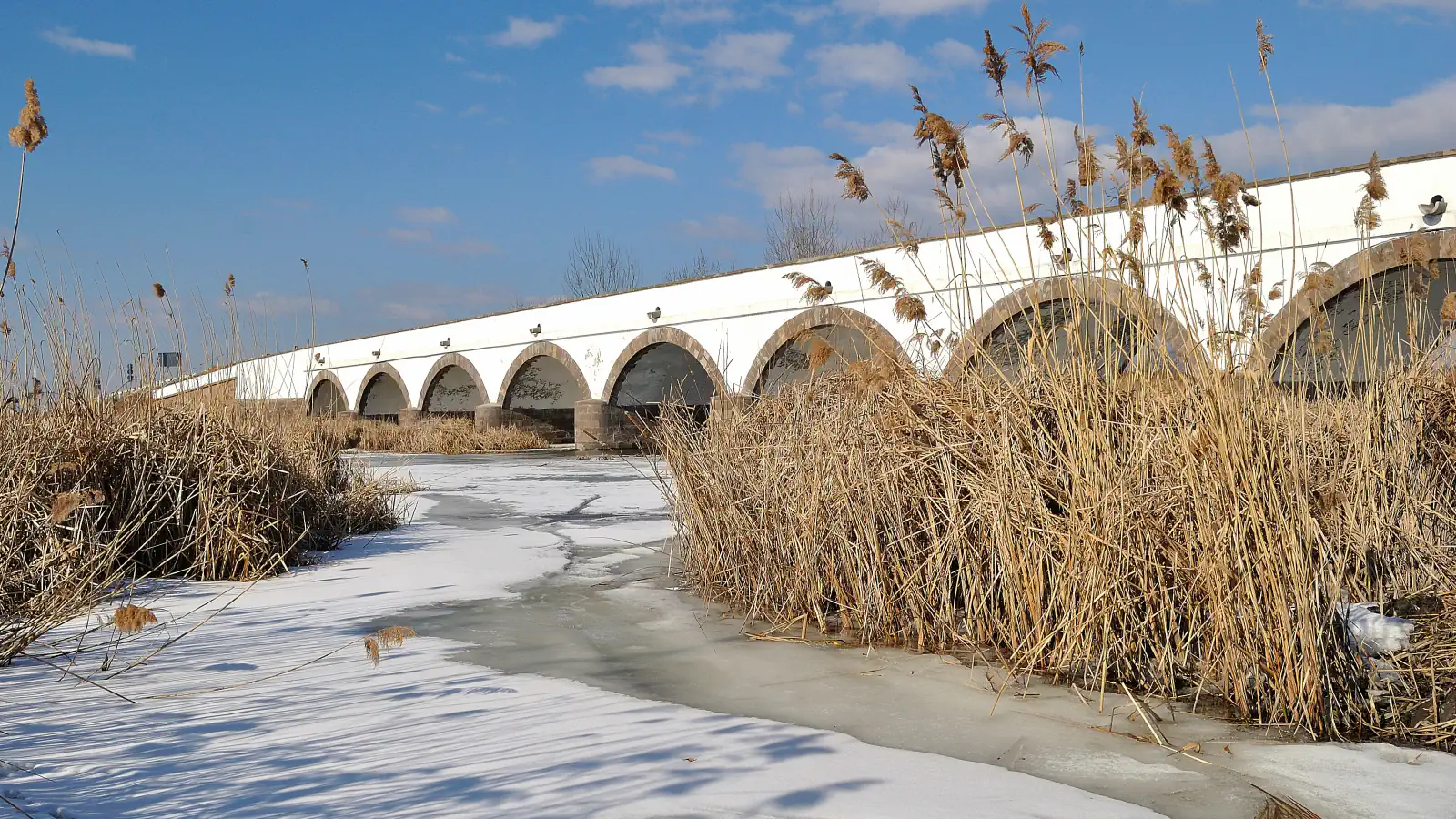
The Hortobágy World Heritage property in eastern Hungary covers nearly 75,000 ha of grassland, alkaline pasture and wetland on the Great Hungarian Plain, and animals have grazed there for more than two thousand years. Permanent residents are rare within the World Heritage property. Herding is seasonal: hundreds of livestock keepers arrive with their animals between April and October, UNESCO reports. Within the property, a stone bridge with nine arches, finished in 1833 and 167.3 m long, replaced a timber bridge on the historic route linking Transylvania with Pest-Buda.[1][2][3]
Budapest was assembled from separate towns
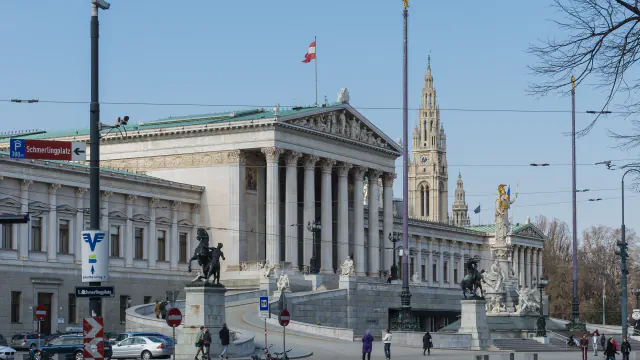
UNESCO groups the Danube banks, Andrássy Avenue and the Buda Castle Quarter within a single property. Buda occupies higher ground beside the river’s right bank, while Pest spreads across the lower land opposite; Óbuda is the third historic centre. Their 1872–73 union did not erase each district’s distinct urban fabric: the medieval and Baroque Castle Quarter on one side, the historicist and Art Nouveau fabric of Pest on the other. From 1872, Andrássy Avenue reshaped Pest, and its surroundings include Heroes’ Square and the City Park.[4]
Pannonhalma: a Benedictine monastery since 996
The Benedictine monastery at Pannonhalma was founded in 996 and stands in western Hungary. Its monks continue the Benedictine way of life, and a school operates in the monastic complex. Work on today’s church began in 1224; it succeeds two earlier buildings. The Late Gothic cloister dates from 1486, the large refectory from 1724–27, and library construction took place in campaigns from 1824 to 1835. A forest and a botanical garden belong to the surrounding landscape.[5]
Good to know
A few clear answers before you explore.
Does anyone live on the Hortobágy puszta?
UNESCO reports very few permanent residents inside the property. Hundreds of livestock keepers bring their animals there during the April–October grazing season.[1]
What went into the bridge at Hortobágy?
Stone was shipped from Tokaj to Tiszacsege along the Tisza and then taken by wagon to the site. About 400,000 bricks were fired using wood from the Ohat oak wood.[2]
Was Budapest always one city?
No. Pest, Buda and Óbuda became one municipality in 1872–73, but their distinct urban forms remain visible.[4]
The WorldStamped community
Every visit becomes part of a story.
- Members with public visits
- 0
- Places with public visits or memories
- 0
- Public memories
- 0
No public visits have been counted here yet. Add this destination to your own map and choose what you want to share.
Members are counted once. Counts include only eligible public activity from profiles that allow search discovery. Private and followers-only content is excluded.