City
Helsinki: waterworks, a rock church and Olympic tower
Helsinki’s historic Vanhakaupunki district has a 1909 filtration hall. Elsewhere, Temppeliaukio Church is built into bedrock, and the Olympic Stadium tower stands 72 m high.
At a glance
- Country
- Finland[9]
A place worth remembering
Vanhakaupunki: a filter hall in a historic district
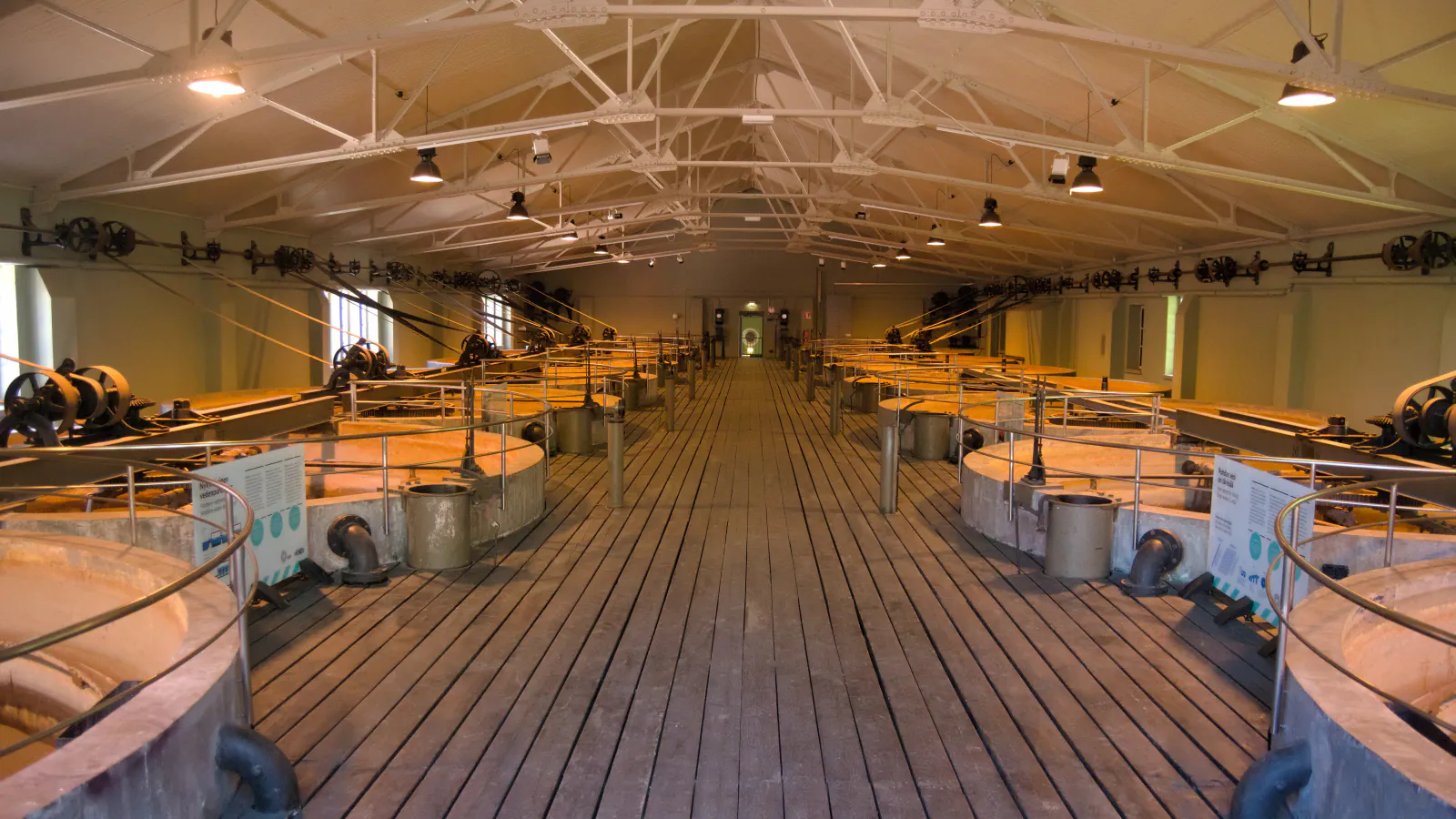
The City of Helsinki’s district overview places Helsinki’s settlement at the mouth of the Vantaa river in 1550 and its move to the Vironniemi peninsula in 1640. Its 2004 district overview mentions archaeological finds from that settlement. It also describes waterworks production buildings in Vanhakaupunki, including those that house the Finnish Museum of Technology (Tekniikan museo). The museum says its Filtering Hall was built in 1909 for the pumps, the main electric switchboard and the filtration pools that delivered clean drinking water. According to the museum’s Finnish page, the hall is in a protected building and its restored sand filters remain in place; its English page describes interiors restored to the way they looked in the 1930s.[1][2][3]
Temppeliaukio: a church set inside the rock
Temppeliaukio Church in the Töölö district was designed by the brothers Timo and Tuomo Suomalainen, who won a third architectural competition in 1961 with an entry called “Kivikirkko” (Stone Church); it was completed in 1969. Finnish Architecture (Archinfo) says the church was set within the rock to preserve the hillock’s natural form, with parish rooms arranged along its edge. Docomomo Finland describes rough bedrock walls and a shallow roof with copper thread on its underside, carried by radial concrete beams. A floor drainage system channels seepage from fissures in the rock. At the altar, a natural ice-age split remains visible as part of the focal wall. According to Archinfo, the church gained protected-building status in 2004.[4][5]
The Olympic Stadium’s 72 m tower
Finnish Architecture dates Helsinki’s open stadium-design competition to 1933 and identifies Toivo Jäntti and Yrjö Lindegren as the winners. The same page dates the first design stage to 1938; the Stadium Foundation gives 12 June 1938 as the inauguration date. Both sources give the tower’s height as 72 m. The Stadium Foundation says the tower was once called the Marathon Tower, because a runner’s first glimpse of it was said to mark the start of the final stretch. Hannes Kolehmainen lit the Olympic fire at its top on 19 July 1952, and Finland’s broadcaster Yle used the tower’s microwave link for its first television tests on 15 March 1957. The Foundation relays the constructors’ estimate that the tower could flex by 0.5–0.8 cm in heavy wind.[6][7][8]
Good to know
A few clear answers before you explore.
What was the Filtering Hall built for?
The Finnish Museum of Technology dates the Filtering Hall to 1909; its original equipment included pumps, an electric switchboard and basins used to filter drinking water. Its Finnish page calls it a rapid filtration plant (pikasuodatuslaitos) and says the restored sand filters were left in place.[2][3]
Is Temppeliaukio Church really built into the rock?
Yes. The sanctuary occupies the hillock’s rock, while parish rooms sit around its edge. Finnish Architecture says the design retained much of the natural outcrop; Docomomo Finland notes that the interior’s walls are exposed bedrock.[4][5]
How tall is the Olympic Stadium tower, and how much flexibility did its constructors calculate in heavy wind?
The stadium’s own pages and Finnish Architecture give 72 m. The Stadium Foundation quotes the tower constructors’ calculated flexibility in heavy wind as 0.5–0.8 cm.[7][6][8]
The WorldStamped community
Every visit becomes part of a story.
- Members with public visits
- 0
- Places with public visits or memories
- 0
- Public memories
- 0
No public visits have been counted here yet. Add this destination to your own map and choose what you want to share.
Members are counted once. Counts include only eligible public activity from profiles that allow search discovery. Private and followers-only content is excluded.