🇪🇪Country
Estonia: Soomaa’s spring floods, Tallinn’s old town and Kaali
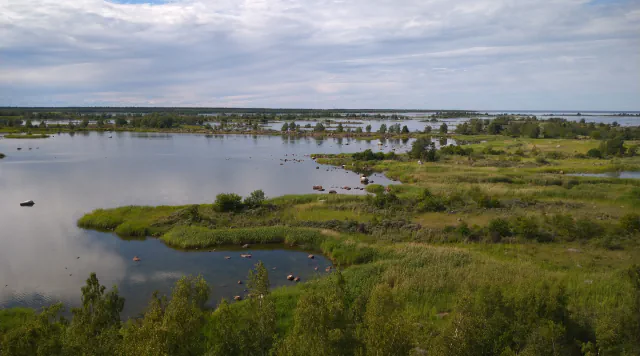
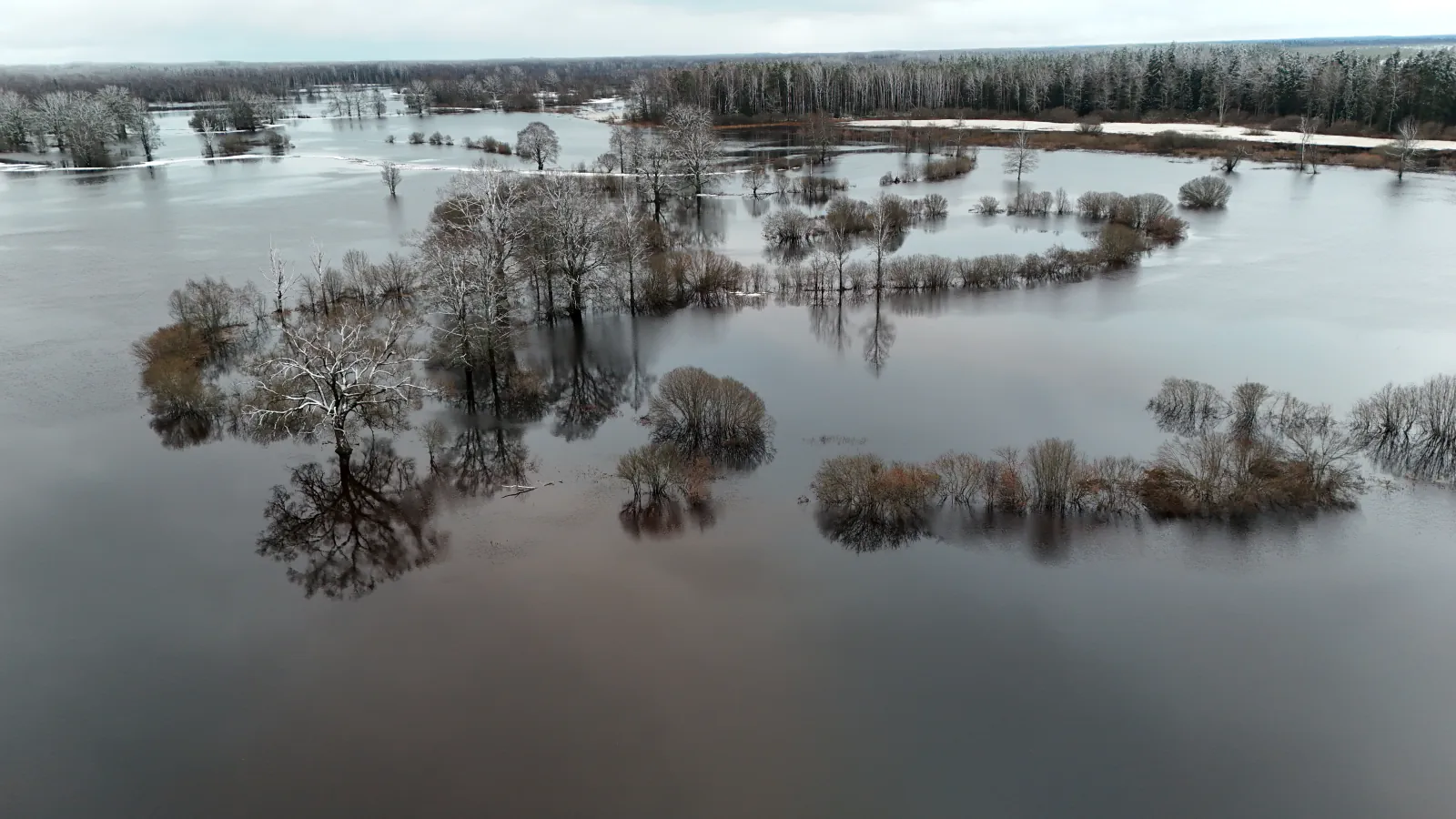
In Soomaa, spring floods spread over meadows and woodland. UNESCO added the local dugout boat tradition to its list for urgent safeguarding in 2021. Tallinn’s Old Town spans Toompea’s limestone rise and the lower town below; on Saaremaa, Kaali has a main crater and eight smaller ones.
At a glance
A place worth remembering
Soomaa: the fifth season and a dugout tradition
A 2021 UNESCO safeguarding record lists five master practitioners. For the preceding two decades, it reports an annual output of one or two dugouts. The name “fifth season” refers to Soomaa’s recurring spring floods. Visit Estonia says they usually come in late March or early April, while winter thaws or heavy autumn rain can bring floods at other times.[1][2]
Tallinn: a town on two levels
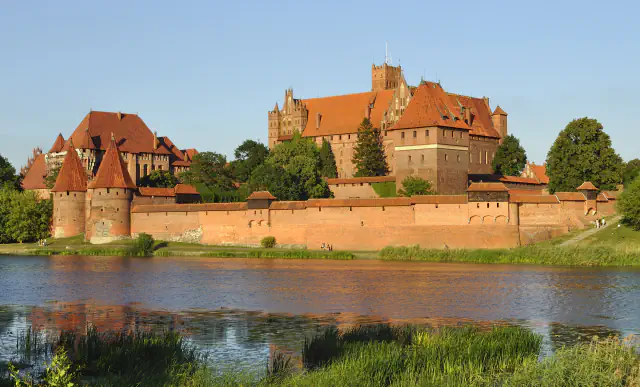
Toompea occupies a limestone rise above the lower town. UNESCO also highlights the parcel arrangement below, which still reflects Tallinn’s medieval layout.[3]
Kaali: a crater field on Saaremaa
Good to know
A few clear answers before you explore.
What does Soomaa’s “fifth season” mean?
It is a local name for Soomaa’s recurring spring floods. Visit Estonia says they usually come in late March or early April, though a winter thaw or heavy autumn rain can also bring flooding outside spring.[2]
What physical features does UNESCO highlight in Tallinn’s Old Town?
Toompea’s limestone rise and the lower town occupy different levels. UNESCO also notes that the lower area retains a medieval street and parcel pattern.[3]
How large is Kaali’s main crater?
RMK gives its diameter as 110 m; Visit Estonia gives a depth of 22 m. Eight smaller craters complete the field.[4][5]
The WorldStamped community
Every visit becomes part of a story.
- Members with public visits
- 0
- Places with public visits or memories
- 0
- Public memories
- 0
No public visits have been counted here yet. Add this destination to your own map and choose what you want to share.
Members are counted once. Counts include only eligible public activity from profiles that allow search discovery. Private and followers-only content is excluded.