🇬🇭Country
Elmina’s coastal setting, Asante shrines and Lake Volta
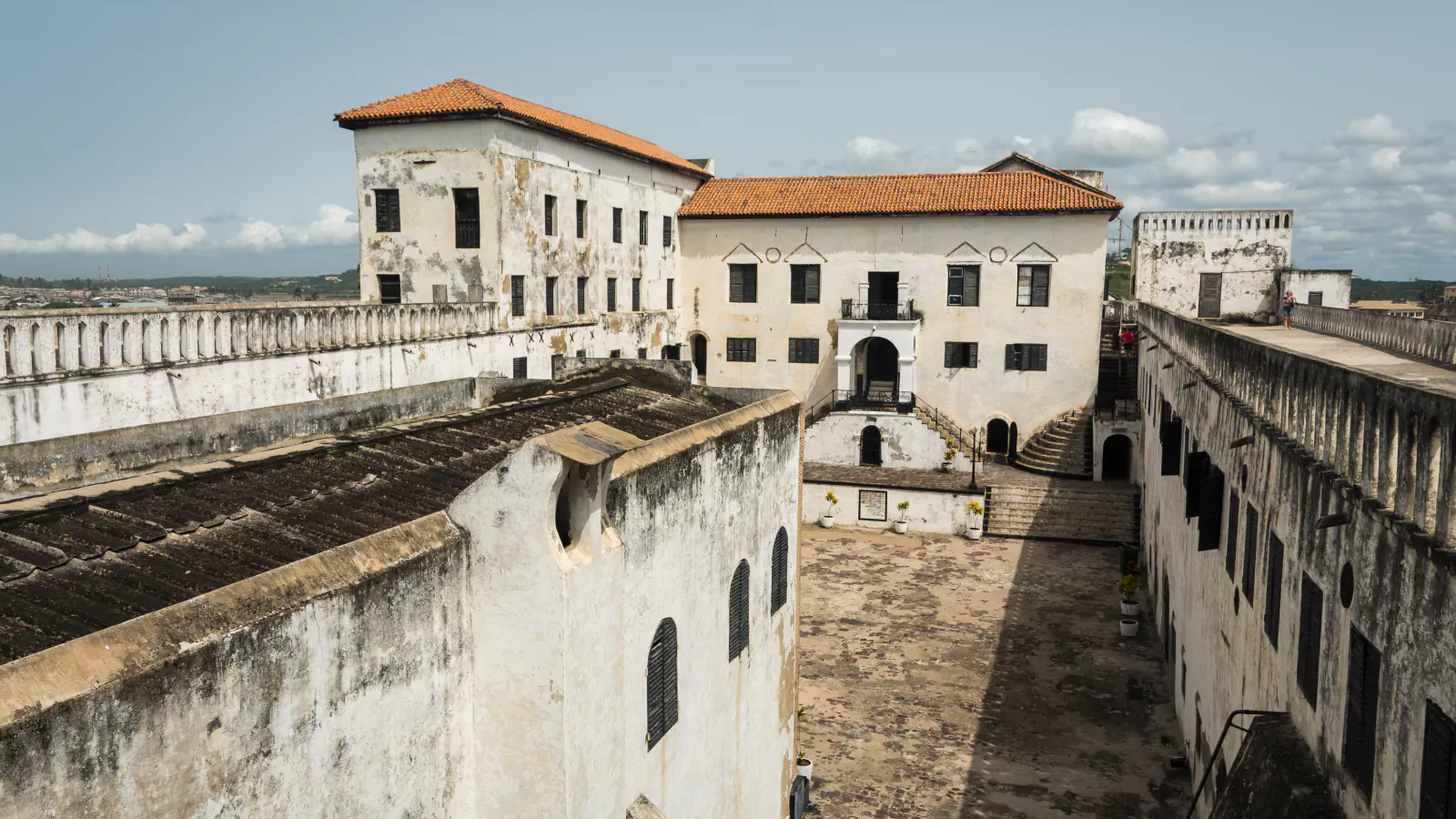
At Elmina, a castle stands on a narrow promontory close to both the Atlantic and the Benya River. Near Kumasi, Asante shrine buildings pair courtyard layouts with symbolic reliefs. An essay on Lake Volta’s early fishery records historical catches and the limits of fish-stock estimates.
At a glance
- Elmina Castle site
- GMMB dates the castle’s foundation to 1482 and places it on a narrow promontory close to both the Atlantic and the Benya River.[1]
- Asante shrine design
- Courtyard shrines use mud plaster, bamboo and timber; their reliefs pair natural motifs with Adinkra symbols.[2]
- Lake Volta fishery
- Miescher reports historical catches rising from 3,000 tonnes in 1964 to a 62,000-tonne peak in 1969, then stabilising near 40,000. He also reports scientists calling precise stock knowledge unattainable, with estimates extrapolated from landings.[3]
A place worth remembering
Elmina Castle’s natural harbour setting
GMMB dates the castle’s founding to 1482 and describes it on a narrow promontory, close to both the Atlantic and the Benya River. The sheltered side of the low headland formed a natural harbour. The Board adds that the building is now a historical museum.[1]
Meaning and materials at Asante shrines
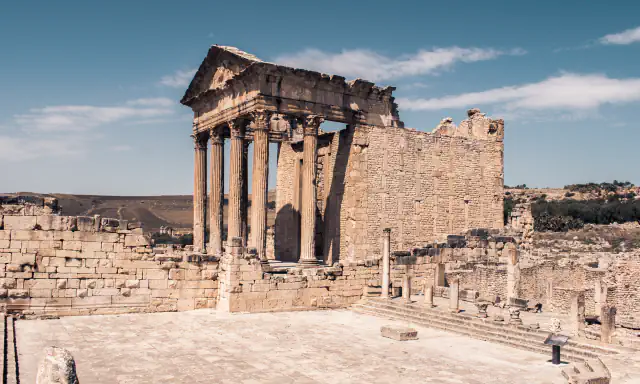
UNESCO describes the Asante shrine buildings as places where people still consult deities. Their wall reliefs pair spirals and images of animals, birds and plants with Adinkra symbols whose meanings are tied to Asante beliefs. The buildings stand around courtyards and use timber, bamboo and mud plaster.[2]
A historical catch record from Lake Volta
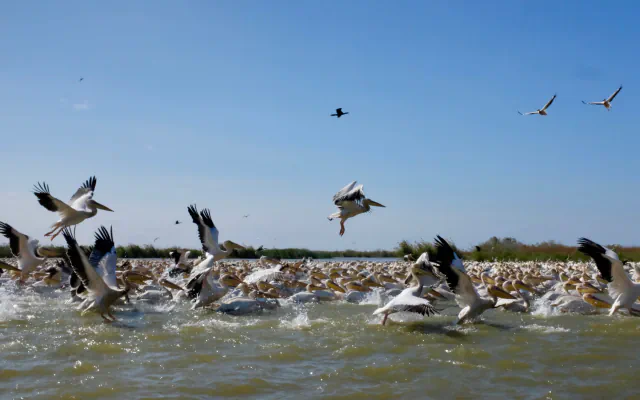
Stephan F. Miescher’s 2021 essay reports historical catches rising from 3,000 tonnes in 1964 to a 62,000-tonne peak in 1969, then stabilising near 40,000. He also reports that scientists studying the lake called precise knowledge of fish stock unattainable; their estimates drew on statistical extrapolation from catches landed at major marketing centres. The catch series records landings at the time, not the lake’s present fish population.[3]
Good to know
A few clear answers before you explore.
What makes Elmina Castle’s location distinctive?
GMMB locates it on a narrow promontory close to both the Atlantic and the Benya River. The Board says the sheltered side of the low headland formed a natural harbour.[1]
What do the Asante shrine reliefs represent?
UNESCO describes spirals, animals, birds and plants alongside Adinkra symbols. It says these designs carry meanings linked to Asante beliefs and are more than ornament; people still consult deities at the shrines.[2]
Do the historical catch totals count all fish living in Lake Volta?
No. The figures record catches, not a census of fish living in the lake. Miescher reports that scientists called precise stock knowledge unattainable and based their estimates on statistical extrapolation from catches landed at major marketing centres. The essay reports historical catches of 3,000 tonnes in 1964, a peak of 62,000 in 1969 and later levels near 40,000.[3]
The WorldStamped community
Every visit becomes part of a story.
- Members with public visits
- 0
- Places with public visits or memories
- 0
- Public memories
- 0
No public visits have been counted here yet. Add this destination to your own map and choose what you want to share.
Members are counted once. Counts include only eligible public activity from profiles that allow search discovery. Private and followers-only content is excluded.