City
No. 73, Nellie and the railway’s last passenger train
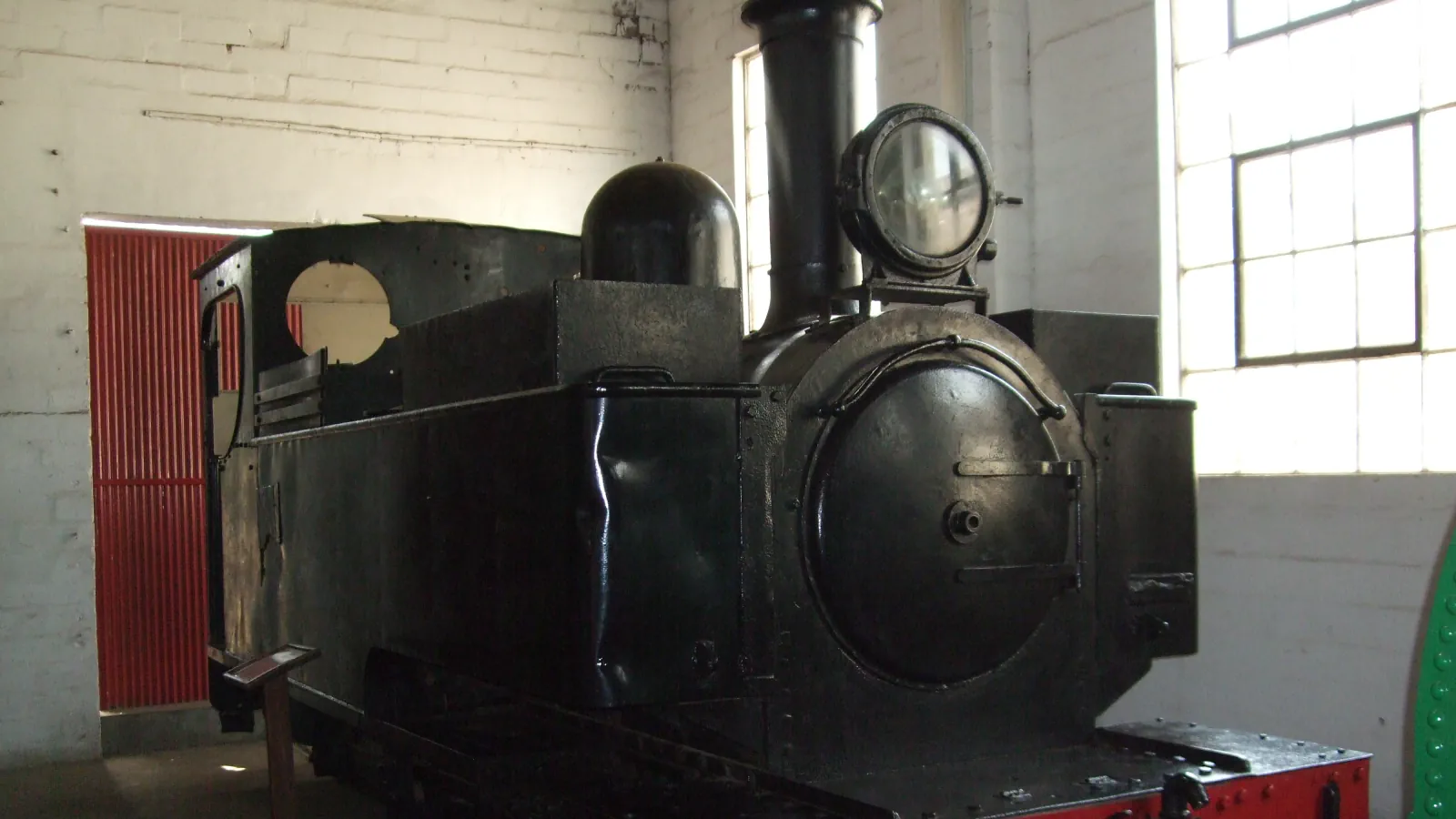
Freetown’s railway museum records that No. 73 combined parts from two locomotives and hauled the line’s last passenger train on 17 November 1974. Manning Wardle built Nellie in Leeds in 1915; she worked on the Fourah Bay harbour project and later shunted goods in the city. The collection also contains objects from everyday railway work.
At a glance
- No. 73’s construction
- Beyer-Garratt built in 1955; one of 14 made in 1955–56, assembled from parts of Nos. 65 and 73[1]
- Last passenger service
- The museum identifies No. 73 as the locomotive that hauled the last passenger train on 17 November 1974[1][2]
- Nellie
- Built in 1915 by Manning Wardle in Leeds[1]
A place worth remembering
No. 73: one locomotive assembled from two engines
The museum dates No. 73 to 1955 and identifies it as an articulated Beyer-Garratt, one of 14 locomotives made in 1955–56. It says restoration showed a mixed build: the front power unit and water carrier came from No. 65, while the frames, boiler and tender came from the original No. 73. The museum dates the last passenger train to 17 November 1974 and identifies No. 73 as its locomotive; a 1978 railway-society account independently records the railway’s “Last Train” on that date.[1][2]
Nellie: from harbour works to city shunting
Manning Wardle built Nellie in Leeds in 1915. The museum says she arrived from Britain to work on the harbour at Fourah Bay, then shunted goods trains around Freetown for years. The museum says she was thought to be working when the railway closed in 1975.[1]
A railway collection beyond the locomotives
Apart from part of one wagon, the museum’s surviving rolling stock came from the Sierra Leone Government Railway. Its 2 ft 6 in gauge route began in Freetown. Tickets, photographs, paperwork, headlamps and wage boxes show the work around the trains; the museum says the exhibits are intended to tell how railways contributed to Sierra Leone’s development.[1]
Good to know
A few clear answers before you explore.
Why is No. 73 described as a hybrid?
Its front power unit and water carrier came from No. 65; its frames, boiler and tender came from the original No. 73.[1]
Which locomotive hauled the railway’s last passenger train?
The museum identifies No. 73; a 1978 railway-society account also records the railway’s “Last Train” on 17 November 1974.[1][2]
What railway does the museum’s rolling stock represent?
Apart from part of one wagon, the museum’s surviving rolling stock came from the Sierra Leone Government Railway, whose route began in Freetown and used a 2 ft 6 in gauge.[1]
The WorldStamped community
Every visit becomes part of a story.
- Members with public visits
- 0
- Places with public visits or memories
- 0
- Public memories
- 0
No public visits have been counted here yet. Add this destination to your own map and choose what you want to share.
Members are counted once. Counts include only eligible public activity from profiles that allow search discovery. Private and followers-only content is excluded.