City
Cusco, where a convent stands on Inca temple walls
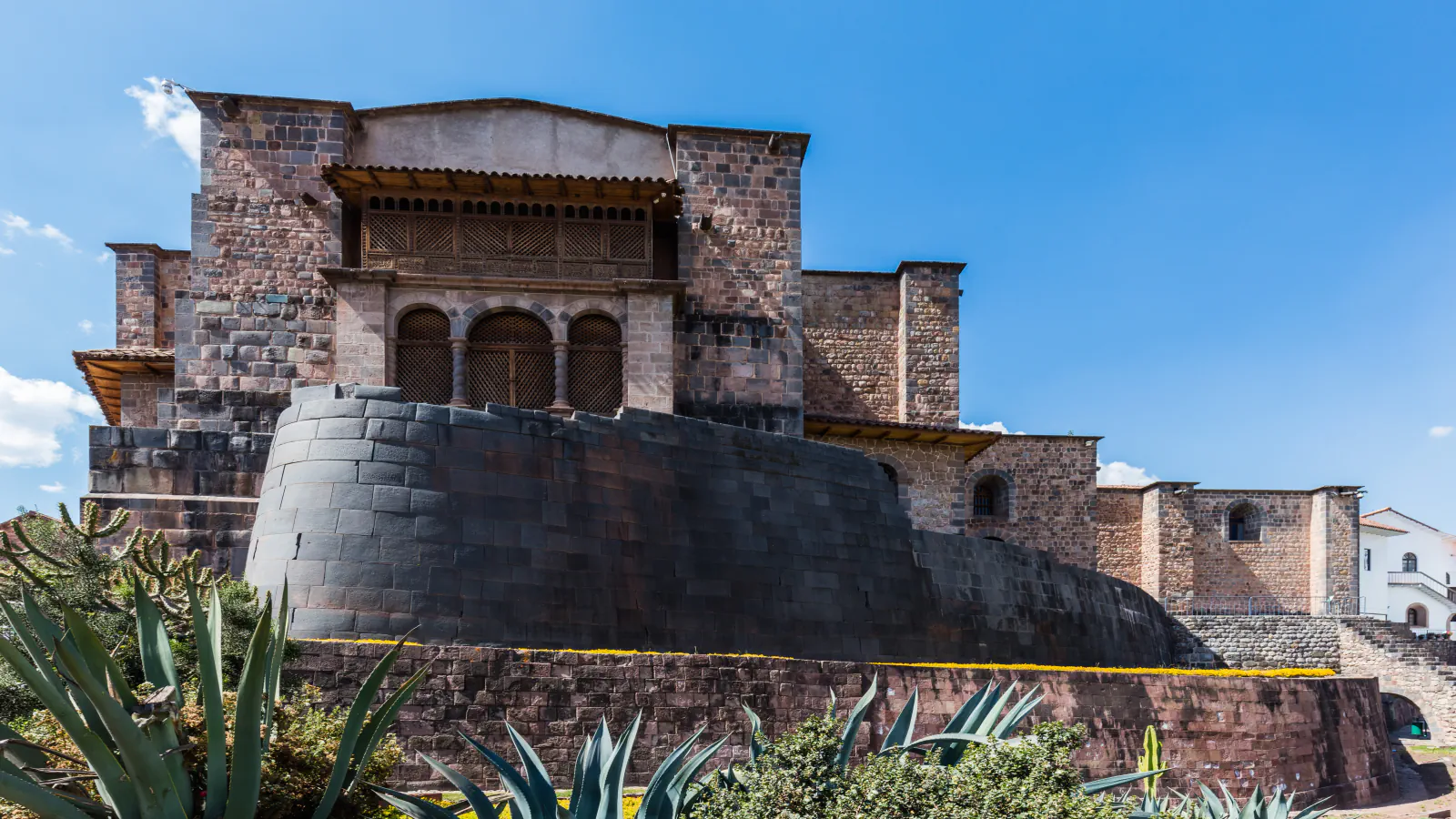
In Cusco, a colonial convent stands on Inca structures of the Qorikancha, a temple precinct. Municipal and UNESCO records show how the 1950 earthquake, an Inca-focused restoration and demolitions from 1992 changed what the walls reveal.
At a glance
A place worth remembering
A street plan that outlived the conquest
UNESCO inscribed the City of Cuzco, as it spells the name, in 1983. The record describes a city at 3,400 m in an Andean valley, where the Inca plan survives in walls of cut granite or andesite and straight streets running between them. After the 16th-century conquest the Spaniards kept that basic structure and built temples, monasteries and manor houses over the Inca city, mostly in a Baroque style with local adaptations. The inscribed property covers 142.48 ha.[1]
How Santo Domingo came to stand on the Qorikancha
Cusco’s municipality describes the Qorikancha as an Inca precinct enclosed by a perimeter wall, with rooms devoted to the sun, moon, stars and lightning. Citing the architect Graziano Gasparini, it says the walls were stone only up to the height seen today, with adobe above and thatched roofs. The Dominican order later held the site and at first adapted Inca structures; the report notes that sources disagree on how the land reached the Dominicans and on when the formal convent was built. The regional culture directorate records the temple and convent of Santo Domingo as a national monument declared on 28 December 1972.[2][3]
From the 1950 earthquake to the 1990s excavations
The earthquake of 21 May 1950 brought down parts of the Dominican temple and convent. The restoration that began six years later favoured the Inca structures. The municipal report, citing Gasparini, calls it controversial and says it included work to complete missing parts of the monument, which it now describes as doubtful. A 1990 resolution declared expropriation of the Qorikancha area necessary; from 1992 buildings on an area of 4,220 m² were demolished, and excavation recorded wall sections, one of them 100 m long, as well as evidence that the temple’s front had been terraced.[2]
Good to know
A few clear answers before you explore.
Did the Spanish conquest erase Inca Cusco?
Not entirely. UNESCO says the Inca urban structure was preserved and Spanish buildings rose over the Inca city. The municipal report adds that the Qorikancha was one of the first places the Spaniards looted.[1][2]
What does Qorikancha mean?
The municipal report gives “enclosure of gold”, from the gold sheets fixed to its walls, and says the Spaniards called the structures houses of the sun.[2]
Is the Qorikancha museum part of the original temple?
No. After the demolitions only the basement of the Fernández building remained, and it was reused as a site museum. COSITUC lists five rooms with ceramics, stone and metal objects, trepanned skulls, mummified remains and models.[2][4]
The WorldStamped community
Every visit becomes part of a story.
- Members with public visits
- 0
- Places with public visits or memories
- 0
- Public memories
- 0
No public visits have been counted here yet. Add this destination to your own map and choose what you want to share.
Members are counted once. Counts include only eligible public activity from profiles that allow search discovery. Private and followers-only content is excluded.