City
Bogotá: a gold raft from a cave, eleven urban wetlands and Monserrate
Three stories link Bogotá to its high-Andean setting: a Muisca offering found near Pasca, the city’s eleven urban wetlands listed together as one Ramsar site, and the Monserrate funicular, inaugurated in 1929.
At a glance
A place worth remembering
The gold raft was found on a páramo, not in a lake
The Muisca votive raft at Museo del Oro is 19.5 cm long. Banco de la República’s encyclopedia links it to the El Dorado ceremony but places its discovery elsewhere: in a cave in the páramo near Pasca, south of Bogotá, in 1969—not in Lake Guatavita. The encyclopedia interprets the central figure as a chief, with ten smaller figures around it; the raft is cast in one piece by the lost-wax method. The bank acquired it in April that year.[1]
One Ramsar site, eleven Bogotá wetlands
One Ramsar listing brings together eleven urban wetlands across Bogotá and covers 667.4 ha. The 2019 overview records 196 bird species, including 65 migrants; Rallus semiplumbeus (the Bogotá rail) and Cistothorus apolinari (Apolinar’s wren) are named among the site’s high-Andean endemics. Ramsar describes the network as an ecological link across the Bogotá River basin.[2]
A tunnel in Monserrate’s funicular history
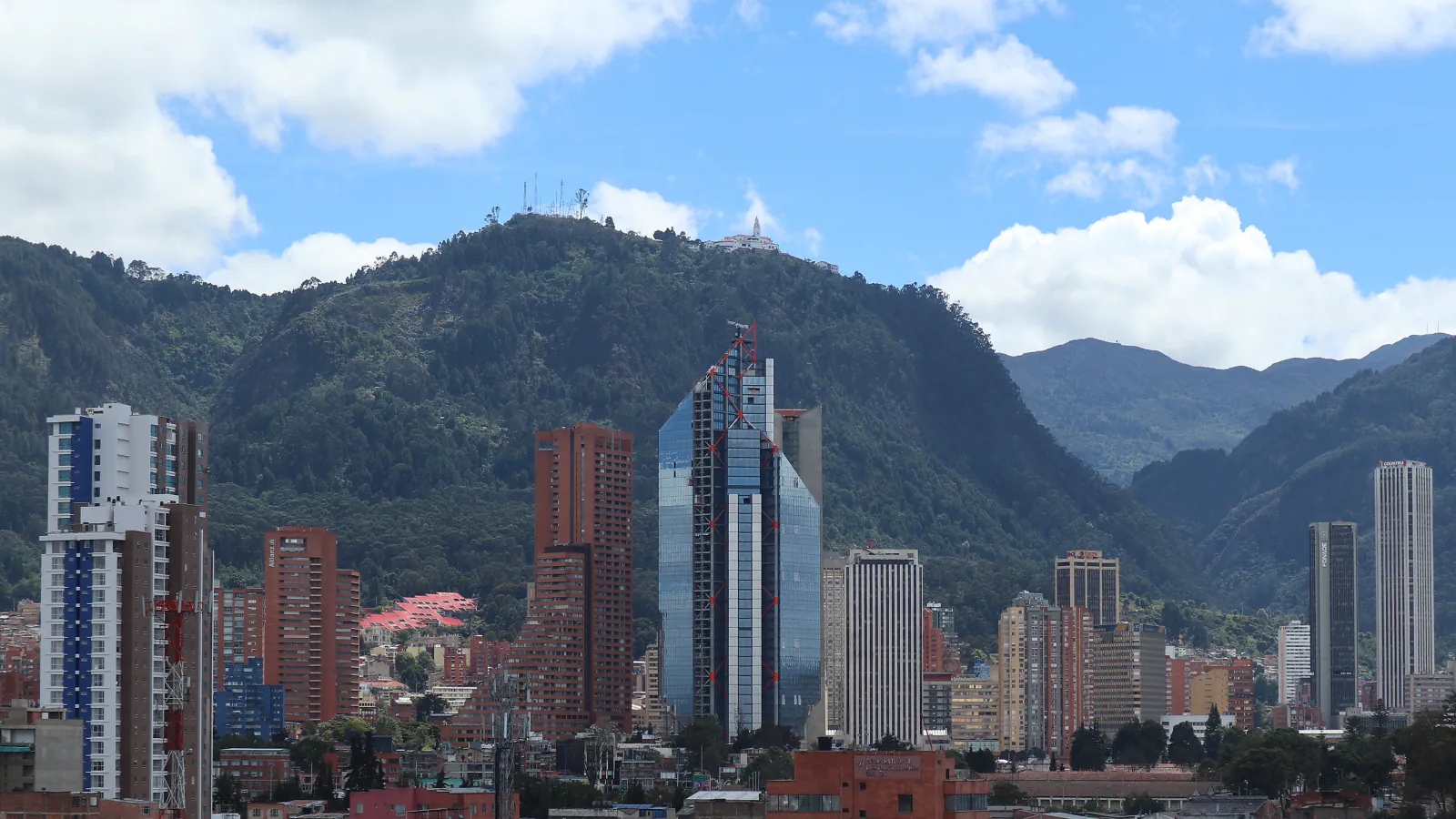
Bogotá’s 2016 municipal account dates construction of the funicular to 1926 and its official inauguration to 18 August 1929. The operator’s history says the original line had to include a tunnel near the summit. The city’s account records the separate cable car opening on 27 September 1955, after construction began in August 1953.[3][4]
Good to know
A few clear answers before you explore.
Was the Muisca raft found in Lake Guatavita?
No. The Banco de la República encyclopedia places the raft in a cave in the páramo near Pasca, south of Bogotá; the bank acquired it in April 1969.[1]
What role do Bogotá’s Ramsar wetlands play in the water cycle?
The Ramsar overview says the marshes help control flooding in the rainy season and conserve groundwater in summer.[2]
When did the Monserrate cable car open?
Bogotá’s municipal account dates its inauguration to 27 September 1955, after construction began on 13 August 1953.[3][4]
The WorldStamped community
Every visit becomes part of a story.
- Members with public visits
- 0
- Places with public visits or memories
- 0
- Public memories
- 0
No public visits have been counted here yet. Add this destination to your own map and choose what you want to share.
Members are counted once. Counts include only eligible public activity from profiles that allow search discovery. Private and followers-only content is excluded.