🇪🇸Country
A route network meets a layered cathedral
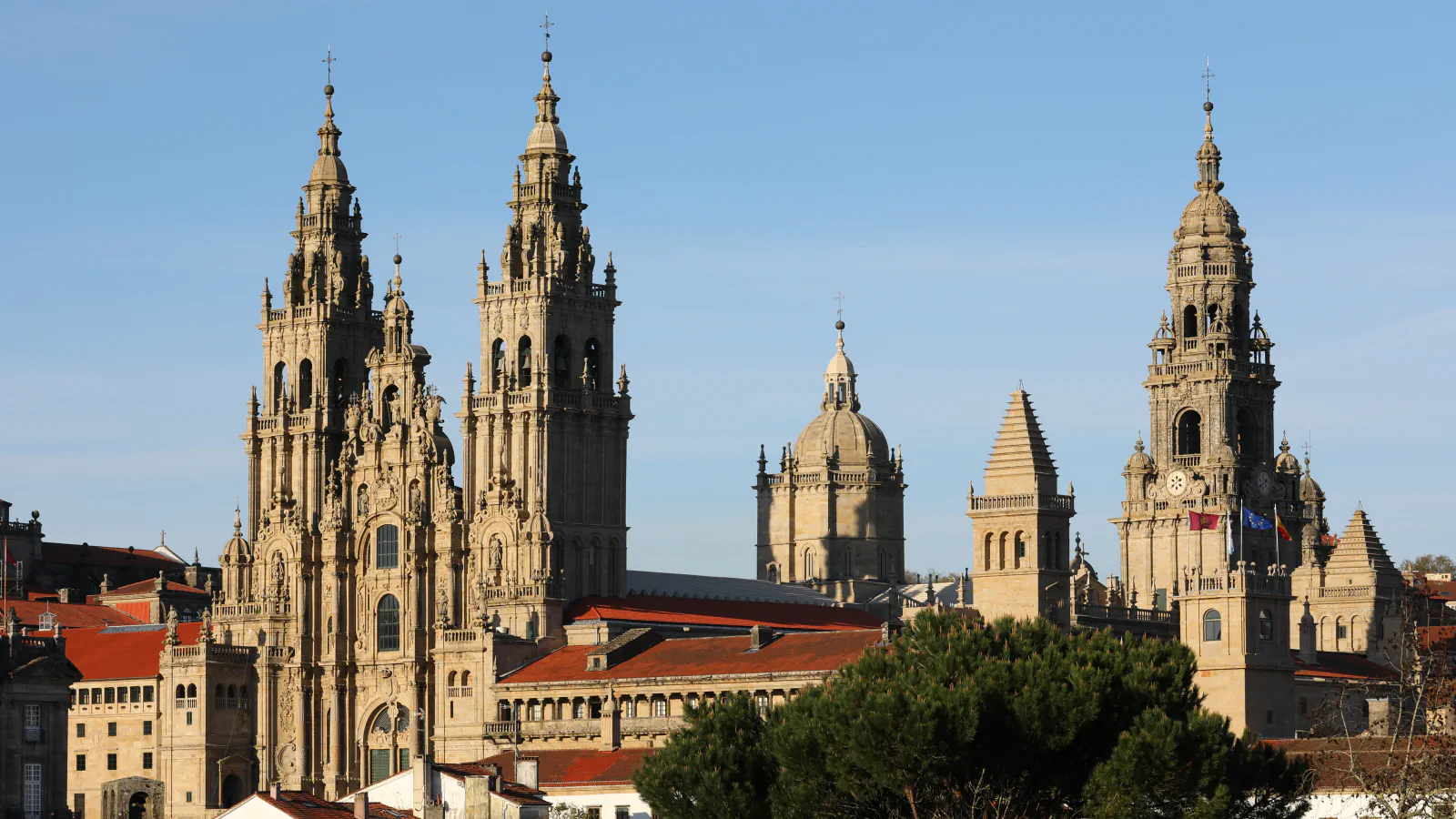
UNESCO’s 2015 extension adds four Northern Routes. In Santiago, the Romanesque cathedral keeps the medieval Pórtico de la Gloria; its Baroque western façade forms one side of Obradoiro Square.
At a glance
A place worth remembering
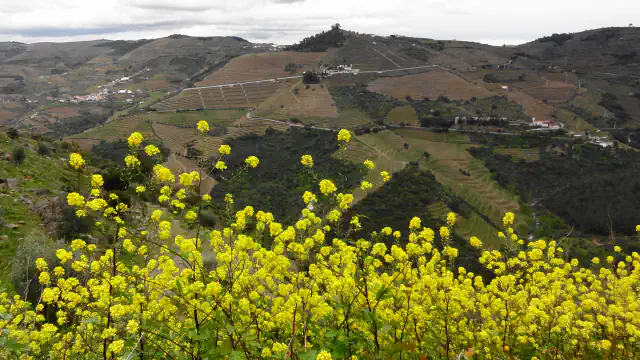
Four Northern Routes form one network
UNESCO describes the 2015 extension as four routes in northern Spain spanning almost 1,500 km. The same listing gives the French Route a separate length of 738 km.[1]
Romanesque cathedral, Baroque western façade
Santiago’s Old Town received a separate World Heritage inscription in 1985. The cathedral retains the medieval Pórtico de la Gloria; its Baroque western façade forms one side of Obradoiro Square.[2]
Pilgrims left buildings and towns behind
UNESCO’s description of the Route of Santiago de Compostela includes churches, hospitals, monasteries and bridges among the structures created for pilgrims, many of which reflect the move from Romanesque to Baroque. It adds that reception and trade along the Camino helped urban centres in the peninsula’s north grow and led to new ones being founded, while urban life declined elsewhere in the Middle Ages.[1]
Good to know
A few clear answers before you explore.
How does UNESCO distinguish the Northern Routes from the French Route?
The extension groups four Northern Routes with a combined length close to 1,500 km; UNESCO lists the French Route separately at 738 km.[1]
What is the architectural contrast at Santiago Cathedral?
The cathedral preserves the medieval Pórtico de la Gloria in a Romanesque structure, while its western Baroque façade forms one side of Obradoiro Square.[2]
What did the pilgrim routes leave beyond the paths themselves?
UNESCO lists churches, hospitals, monasteries and bridges built for pilgrims, and says trade and hospitality along the Camino helped northern cities grow.[1]
The WorldStamped community
Every visit becomes part of a story.
- Members with public visits
- 0
- Places with public visits or memories
- 0
- Public memories
- 0
No public visits have been counted here yet. Add this destination to your own map and choose what you want to share.
Members are counted once. Counts include only eligible public activity from profiles that allow search discovery. Private and followers-only content is excluded.