City
Saint John’s through collections and architecture
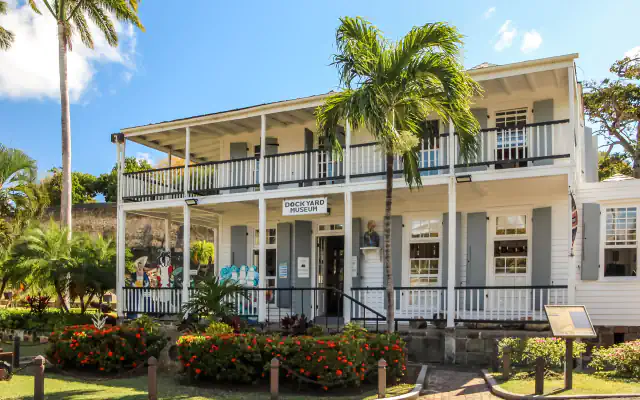
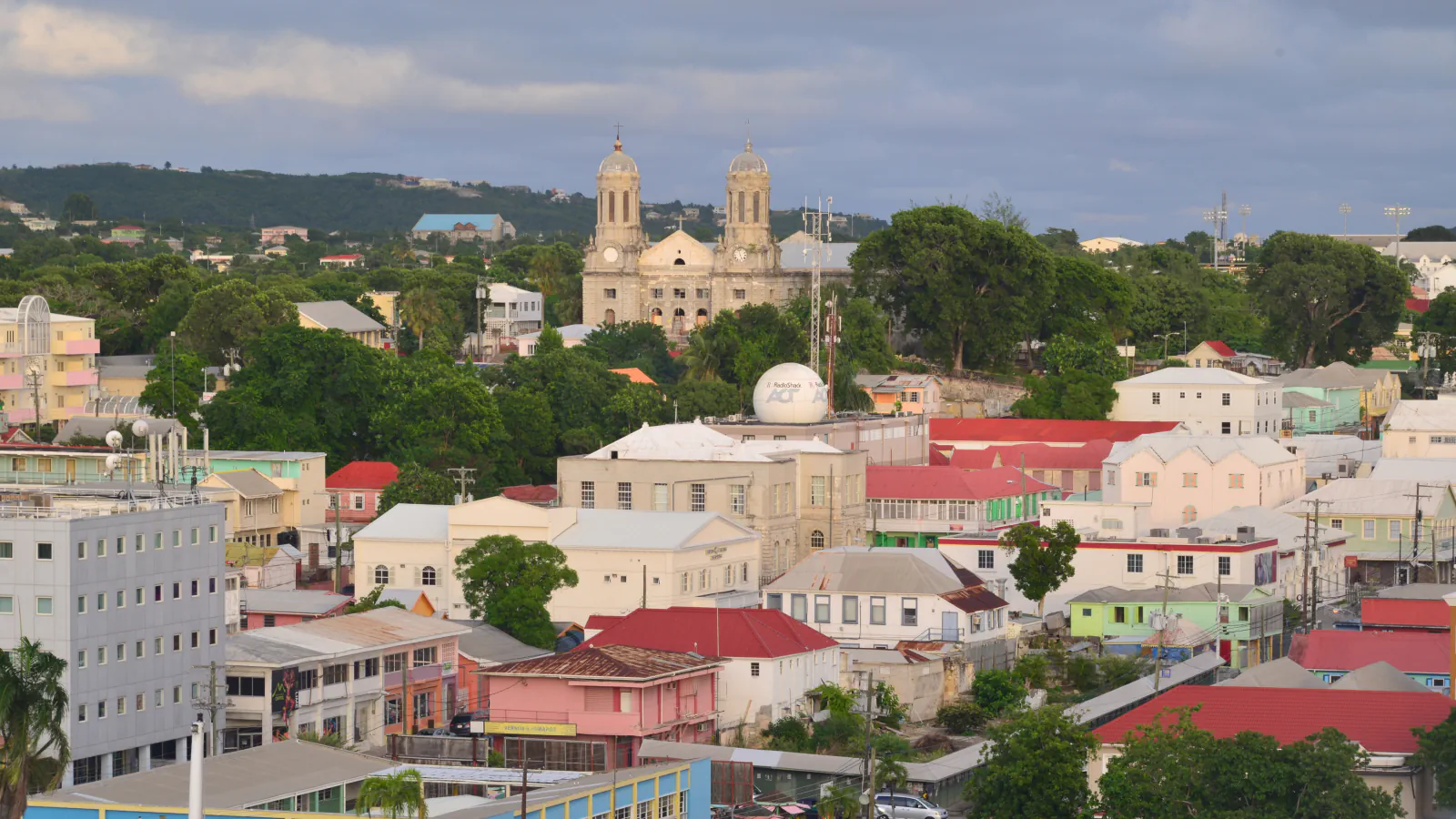
In Saint John’s, a museum places local archaeological finds in a wider Caribbean context. The cathedral’s neo-Baroque exterior contrasts with a timber interior, while Redcliffe Quay carries architectural traces from later centuries.
At a glance
A place worth remembering
Antiguan archaeology in a Caribbean frame
A neo-Baroque cathedral with a wooden interior
Antigua Cruise Port’s visitor page describes the cathedral as a neo-Baroque building rising above the city, with an interior of gleaming wood beneath a gently curving ceiling.[3]
More than one period at Redcliffe Quay
The 2023 cultural account dates Redcliffe Quay, often called “Historic Redcliffe Quay,” to the 17th century and describes its buildings as well-preserved or re-created reminders of 19th-century Antiguan architecture. A plaque there recalls the area’s restoration and refashioning in the 1980s.[4]
Good to know
A few clear answers before you explore.
How does the museum place its archaeology in context?
It combines finds from Antiguan sites with comparative material from elsewhere in the Caribbean.[1]
What does Antigua Cruise Port’s page note inside the cathedral?
It highlights the gleaming wood inside the cathedral.[3]
Which periods does the cultural account associate with Redcliffe Quay?
It dates the area to the 17th century, describes 19th-century architectural forms and notes restoration in the 1980s of the 20th century.[4]
The WorldStamped community
Every visit becomes part of a story.
- Members with public visits
- 0
- Places with public visits or memories
- 0
- Public memories
- 0
No public visits have been counted here yet. Add this destination to your own map and choose what you want to share.
Members are counted once. Counts include only eligible public activity from profiles that allow search discovery. Private and followers-only content is excluded.