City
Lisbon’s layered waterworks
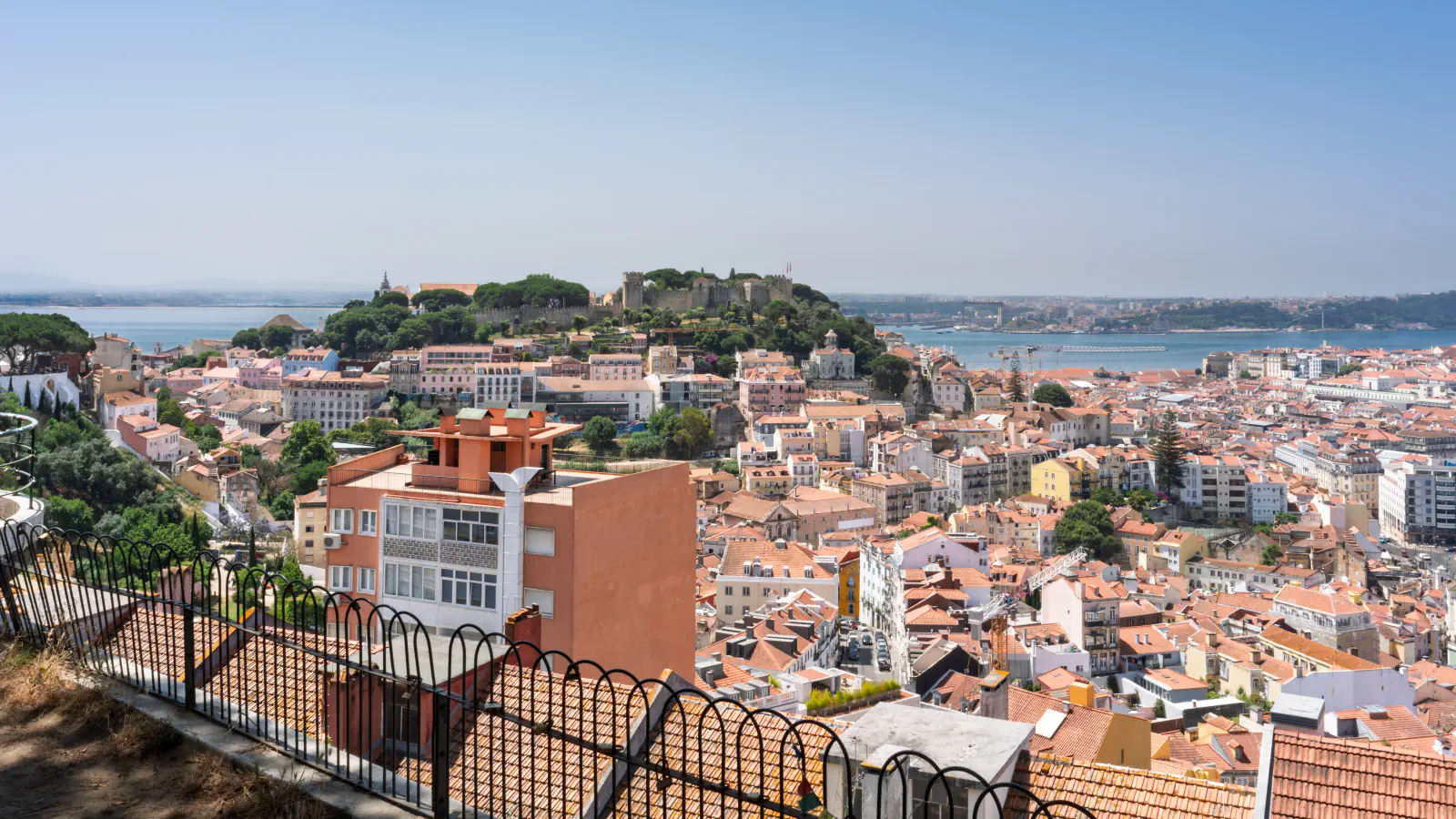
Lisbon’s historic waterworks linked the Patriarcal reservoir beneath Príncipe Real’s pond, the steam pumps at Barbadinhos and the buried Loreto gallery, where a stone basin split the flow between two aqueducts.
At a glance
A place worth remembering
The pond above the reservoir
The Patriarcal reservoir lies beneath the pond in Jardim do Príncipe Real. Its octagonal outline matches the iron railing around the pond. EPAL says the pond and fountain were intended to aerate water before it entered the reservoir.[1]
Steam engines over pumps
At Barbadinhos, the upper machine room held four steam engines, while pumps below lifted water from the Alviela aqueduct into Lisbon’s supply. The five boilers occupied a separate section of the building.[2]
Pia do Penalva and the water split
At Pia do Penalva, a square stone basin in the Loreto gallery, the flow split toward the Aqueduto do Século and the Aqueduto da Praça da Alegria.[3]
Good to know
A few clear answers before you explore.
What connects the Patriarcal reservoir to the pond above?
The octagonal reservoir, built between 1860 and 1864, has an outline matching the iron polygon around the pond. EPAL says the pond and fountain were intended to aerate water before it entered the tank.[1]
How were the Barbadinhos engines and pumps arranged?
Four engines occupied the upper machine room, the pumps were on the ground floor and five boilers had a separate section. The station worked from 1880 to 1928.[2]
What happened at the Pia do Penalva?
At this square stone basin, water split toward two aqueducts: the Aqueduto do Século and the Aqueduto da Praça da Alegria.[3]
The WorldStamped community
Every visit becomes part of a story.
- Members with public visits
- 0
- Places with public visits or memories
- 0
- Public memories
- 0
No public visits have been counted here yet. Add this destination to your own map and choose what you want to share.
Members are counted once. Counts include only eligible public activity from profiles that allow search discovery. Private and followers-only content is excluded.