🇬🇳Country
Guinea: Bossou chimpanzee research, Fouta Djallon and Sosso-Bala
A 2024 study used Bossou footage from 1992 to 2017 to compare ways of measuring chimpanzees’ oil-palm nut cracking. Guinea’s 2026 UNESCO Tentative List submission proposes two protected areas in north-east Fouta Djallon; UNESCO’s Sosso-Bala entry describes how knowledge of the balafon is passed on.
At a glance
- Bossou chimpanzees
- The 2024 study found similar individual rankings across four measures; tool-switching showed a different pattern.[1]
- Rivers named in Guinea’s 2026 Fouta submission
- It names the Niger, Senegal and Gambia as rivers that begin in the massif.[2]
- Sosso-Bala
- UNESCO describes it as a balafon about 1.5 m long, with 20 slats.[3]
A place worth remembering
Bossou: how researchers measure nut-cracking
At Bossou, chimpanzees open oil-palm nuts with stone tools. The 2024 study assessed five measures of nut-cracking efficiency. Individual rankings aligned across four of them, while the tool-switch measure showed a different pattern. The authors also caution that a long bout may include pauses or distraction: time spent and strikes per nut describe different parts of the task.[1]
Fouta Djallon: the proposed area and the wider massif
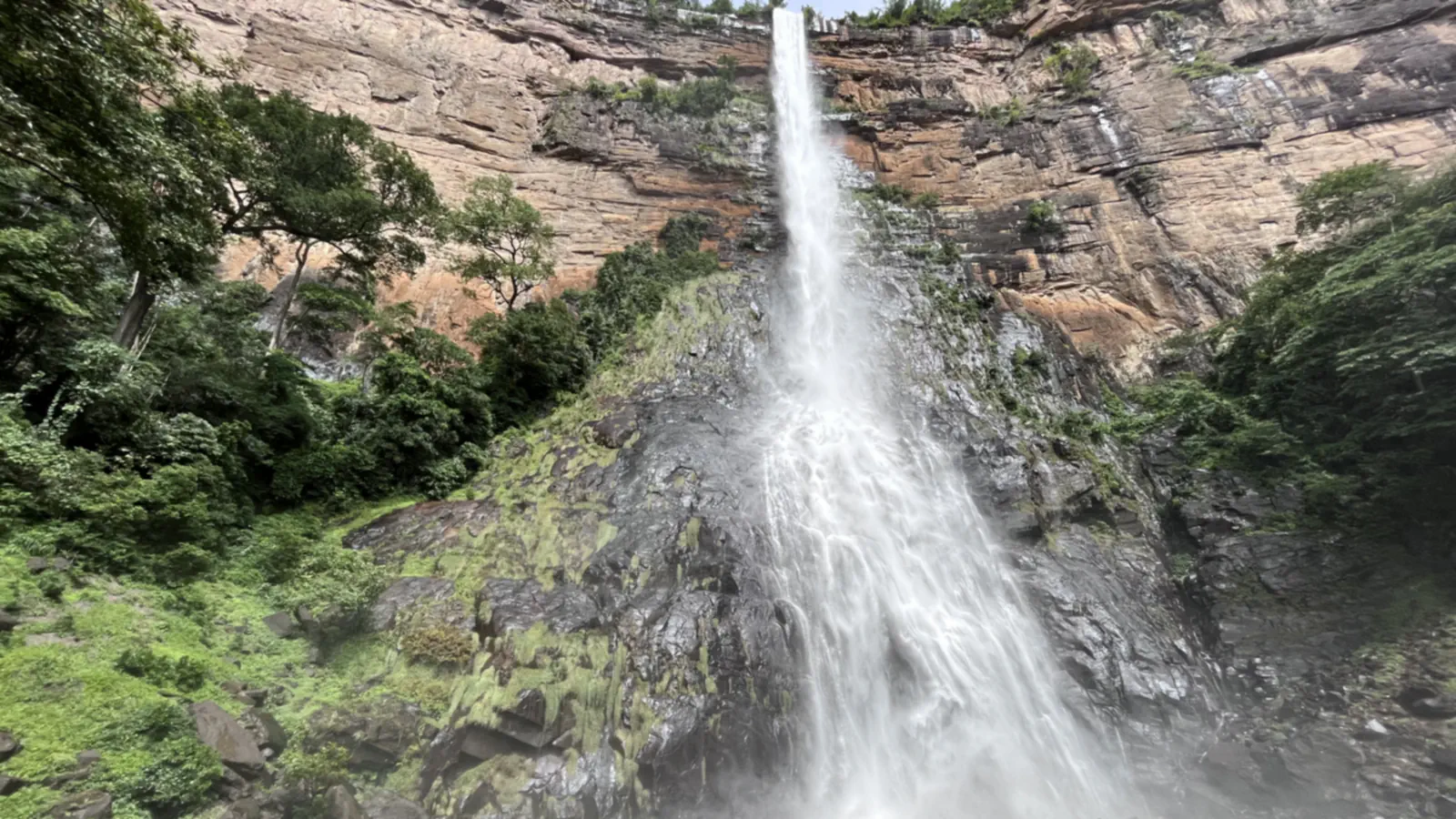
Guinea’s 2026 UNESCO Tentative List submission groups two adjoining protected areas in north-east Fouta Djallon as the proposed property. It places them in the wider massif’s hydrological and ecological setting and names the Niger, Senegal and Gambia among rivers that begin there. The submission uses bowal (plural bowe) for the laterite-capped high plateaus it calls a marker of Fouta landscapes.[2]
Sosso-Bala: a balafon and its teaching tradition
Sosso-Bala is a balafon kept in Nyagassola. UNESCO’s 2008 entry describes the wider cultural space around the instrument; it names the Balatigui of the Dökala family as its guardian and as a teacher who passes the music on to children.[3]
Good to know
A few clear answers before you explore.
Can bout length alone show how efficiently a chimpanzee opened a nut?
No. A bout may last longer because of pauses or distraction, so elapsed time alone does not tell how many strikes were needed.[1]
What does Guinea’s 2026 UNESCO submission propose?
It identifies two protected areas in the massif’s north-east as the proposed property; the wider Fouta Djallon is described as their hydrological and ecological setting.[2]
What does UNESCO’s Sosso-Bala entry describe?
It concerns the cultural space around the instrument and names the Balatigui of the Dökala family as its guardian, who teaches children to play.[3]
The WorldStamped community
Every visit becomes part of a story.
- Members with public visits
- 0
- Places with public visits or memories
- 0
- Public memories
- 0
No public visits have been counted here yet. Add this destination to your own map and choose what you want to share.
Members are counted once. Counts include only eligible public activity from profiles that allow search discovery. Private and followers-only content is excluded.