🇬🇦Country
Gabon: Oklo reactor dating, Lopé-Okanda’s archaeology and Loango’s lagoons
A 1996 review estimates the reaction age of Oklo reactor 2 from data in borehole SC36. UNESCO describes Lopé-Okanda’s forest–savannah landscape, while a Gabon proposal submitted in 2022 outlines Loango’s coastal lagoons.
At a glance
- Oklo reactor 2
- Estimated reaction age: 1,950 ± 40 million years, based on borehole SC36 in the 1996 review.[1]
- Lopé-Okanda
- UNESCO records around 1,800 petroglyphs and an archaeological record spanning about 400,000 years.[2]
- Loango
- The 2022 Gabon submission describes an 85 km coastal-ridge belt separating Loango’s lagoons from the Atlantic.[3]
A place worth remembering
The Oklo age estimate applies to reactor 2
The 1996 review traces the estimate to earlier analysis of borehole SC36, which crosses reactor 2. That work relates fission-produced neodymium per uranium atom to neutron fluence; its age calculation depends on uranium remaining geochemically stable relative to the fission products.[1]
Lopé-Okanda: a forest–savannah landscape with a long human record
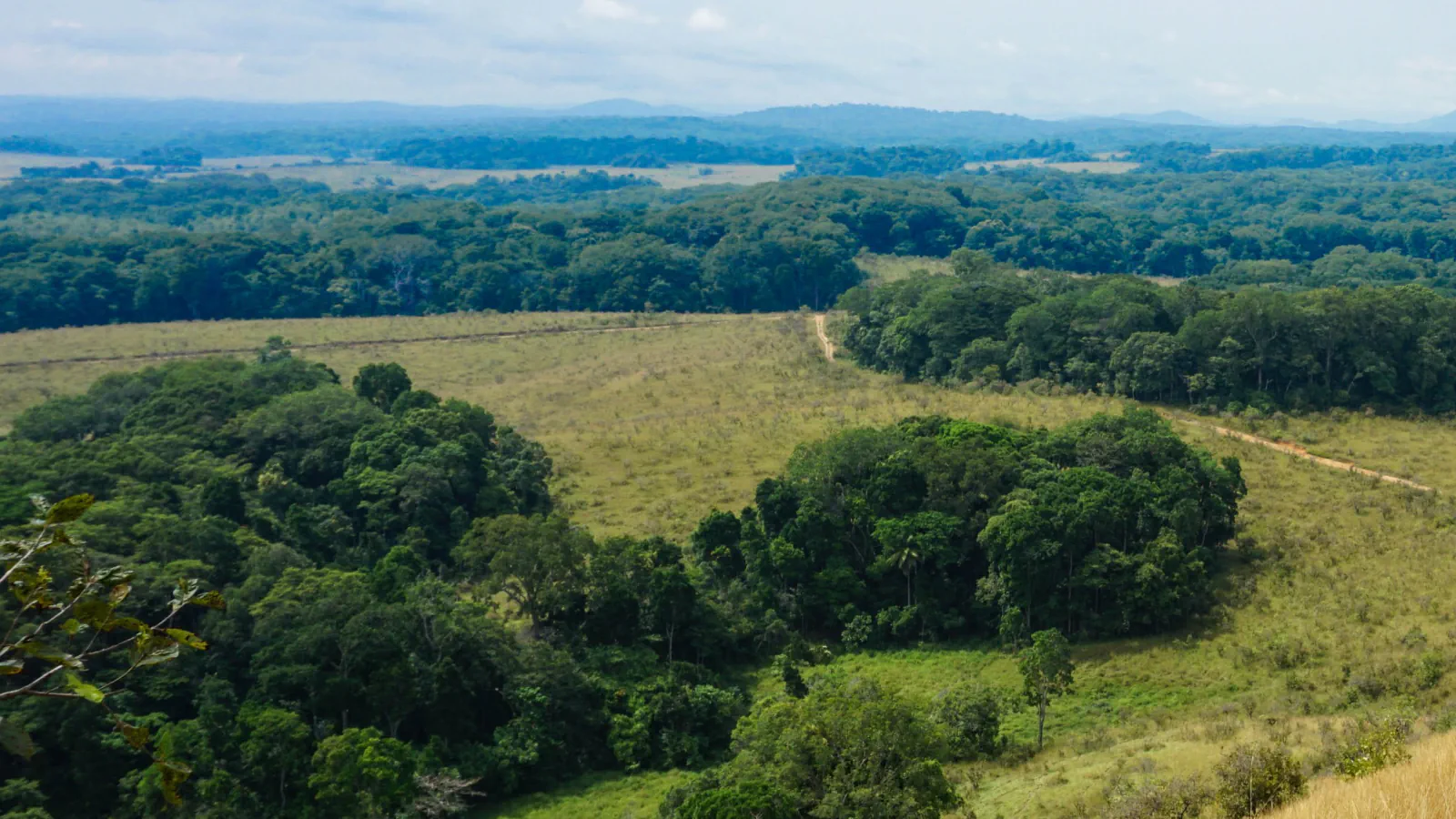
Lopé-Okanda includes rainforest, relict savannah and the Ogooué valley. UNESCO records settlement evidence stretching back roughly 400,000 years and notes about 1,800 rock engravings; it also describes the valley as a migration corridor.[2]
Loango: coastal ridges divide a chain of lagoons
The 2022 Gabon submission describes the smaller lagoons as year-round freshwater sources for forest elephants and buffalo. It also describes an 85 km coastal-ridge belt that separates the lagoons from the Atlantic.[3]
Good to know
A few clear answers before you explore.
What does the 1,950 ± 40 million-year estimate refer to?
It is the 1996 review’s estimate for the reaction in Oklo reactor 2, derived from measurements in borehole SC36. The review notes that the dating depends on uranium staying geochemically stable relative to the fission products used.[1]
Why does UNESCO mention the Ogooué valley?
It describes the valley as a route for migrations and language diffusion during the Neolithic and Iron Age.[2]
What role do Loango’s smaller lagoons play?
The 2022 Gabon submission says they provide year-round fresh water for forest elephants and buffalo.[3]
The WorldStamped community
Every visit becomes part of a story.
- Members with public visits
- 0
- Places with public visits or memories
- 0
- Public memories
- 0
No public visits have been counted here yet. Add this destination to your own map and choose what you want to share.
Members are counted once. Counts include only eligible public activity from profiles that allow search discovery. Private and followers-only content is excluded.