🇰🇷Country
South Korea: Haeinsa’s woodblocks and Jeju’s lava caves
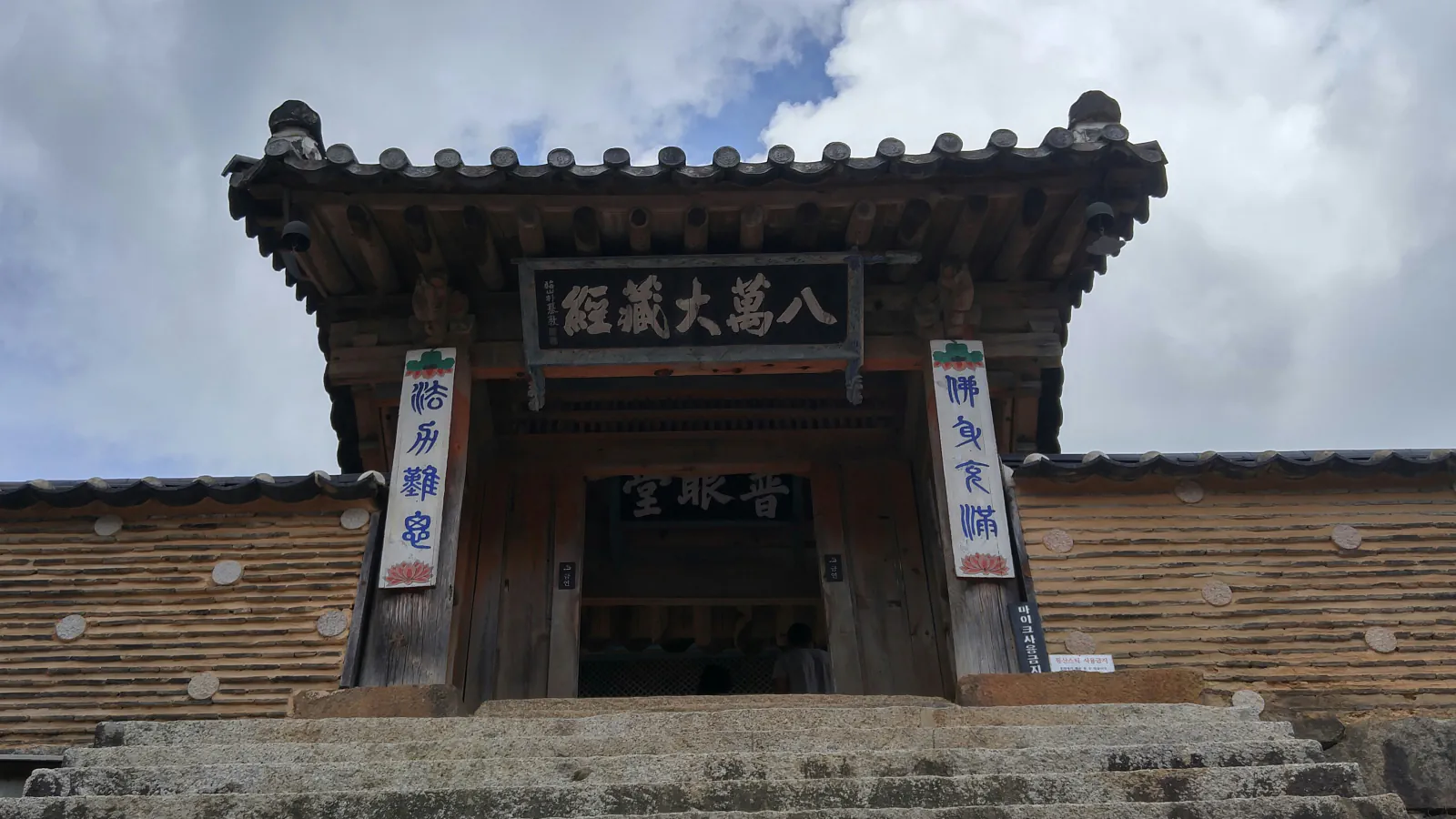
Haeinsa holds the Tripitaka Koreana, about 80,000 woodblocks engraved between 1237 and 1248. On Jeju, UNESCO describes multicoloured carbonate formations in the Geomunoreum tubes against dark lava walls.
At a glance
A place worth remembering
Haeinsa: depositories designed to protect woodblocks
The Tripitaka Koreana is held at Haeinsa on about 80,000 woodblocks engraved between 1237 and 1248. UNESCO dates the Janggyeong Panjeon depositories, built to house the collection, to the 15th century.[1]
Jeju: carbonate formations against dark lava
UNESCO describes multicoloured carbonate formations on the roofs and floors of the Geomunoreum lava tubes, set against dark lava walls.[3]
Manjanggul: a long lava tube with three entrances
Jeju’s World Natural Heritage website describes Manjanggul as a lava tube about 7.4 km long, on more than one level in places, with a passage that reaches 18 m in width and 23 m in height. A collapse in the ceiling of its middle section created three entrances. The same page lists lava stalagmites and lava shelves, and a lava column about 7.6 m high at the end of the cave’s public section.[2]
Good to know
A few clear answers before you explore.
What conservation features does UNESCO describe at Haeinsa?
UNESCO says the Janggyeong Panjeon depositories were designed to circulate air naturally and moderate temperature and humidity around the woodblocks.[1]
How did Manjanggul get its three entrances?
Jeju’s World Natural Heritage page attributes them to a collapse in the cave ceiling at its middle section.[2]
What is the lava column in Manjanggul?
Jeju’s World Natural Heritage page describes a lava column about 7.6 m high at the end of the cave’s public section and says it is known as the largest in the world.[2]
The WorldStamped community
Every visit becomes part of a story.
- Members with public visits
- 0
- Places with public visits or memories
- 0
- Public memories
- 0
No public visits have been counted here yet. Add this destination to your own map and choose what you want to share.
Members are counted once. Counts include only eligible public activity from profiles that allow search discovery. Private and followers-only content is excluded.